OUR current ENVIRONMENTAL PROJECTS
Discover how we’re restoring and protecting native ecosystems with these environmental and conservation projects
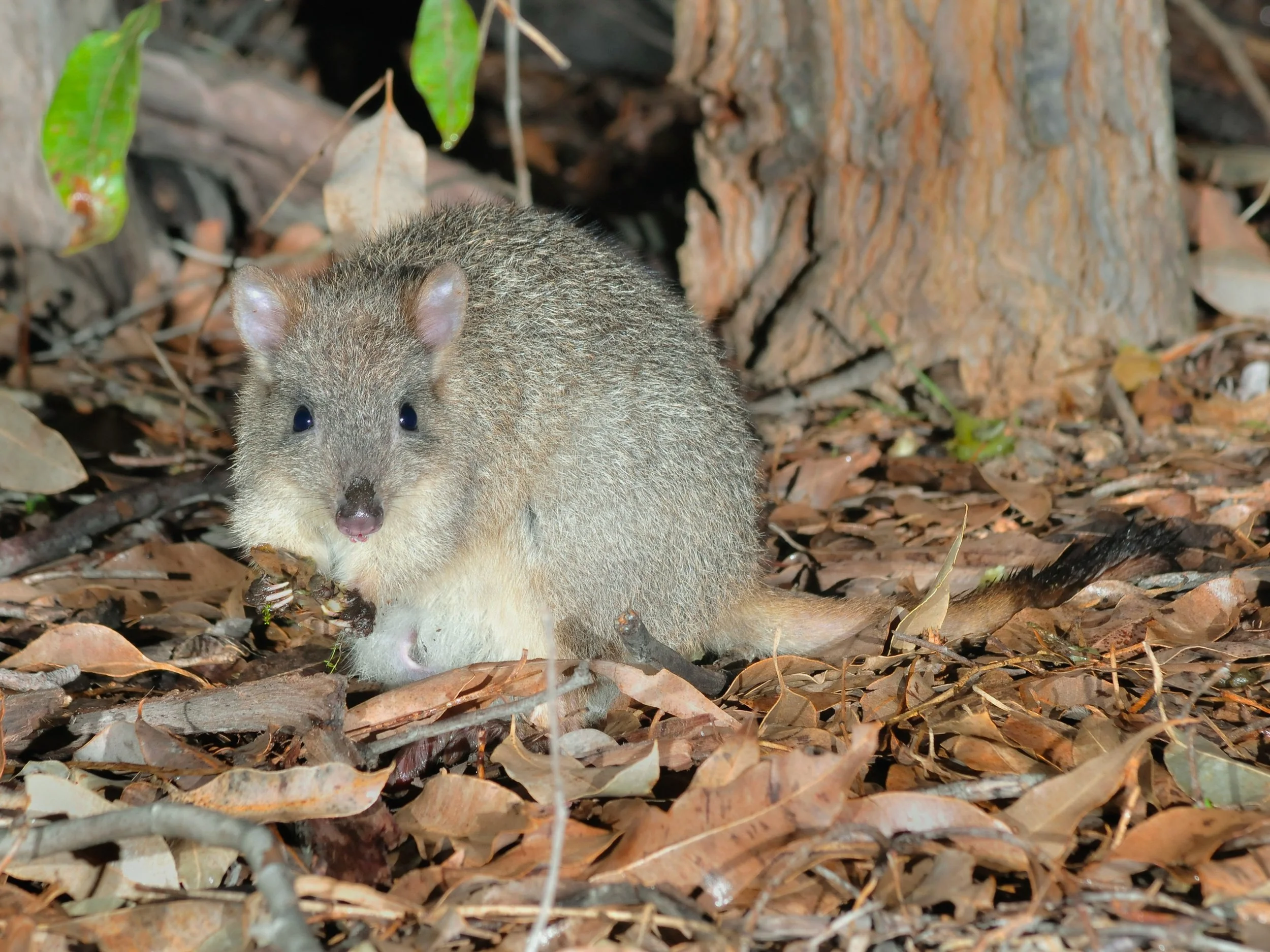
Re-wilding our Rarest Marsupial Species
The Yarnbala Foundation is working to restore and protect the critically endangered Grassy She-oak Woodland on Calcrete. By reintroducing native marsupials like the Brush-tailed Bettong, Greater Stick-nest Rat & Greater Bilby to name a few. This ambitious re-wilding program aims to rebuild ecosystems, protect vulnerable species, and lead one of the Eyre Peninsula’s most significant biodiversity efforts to date.
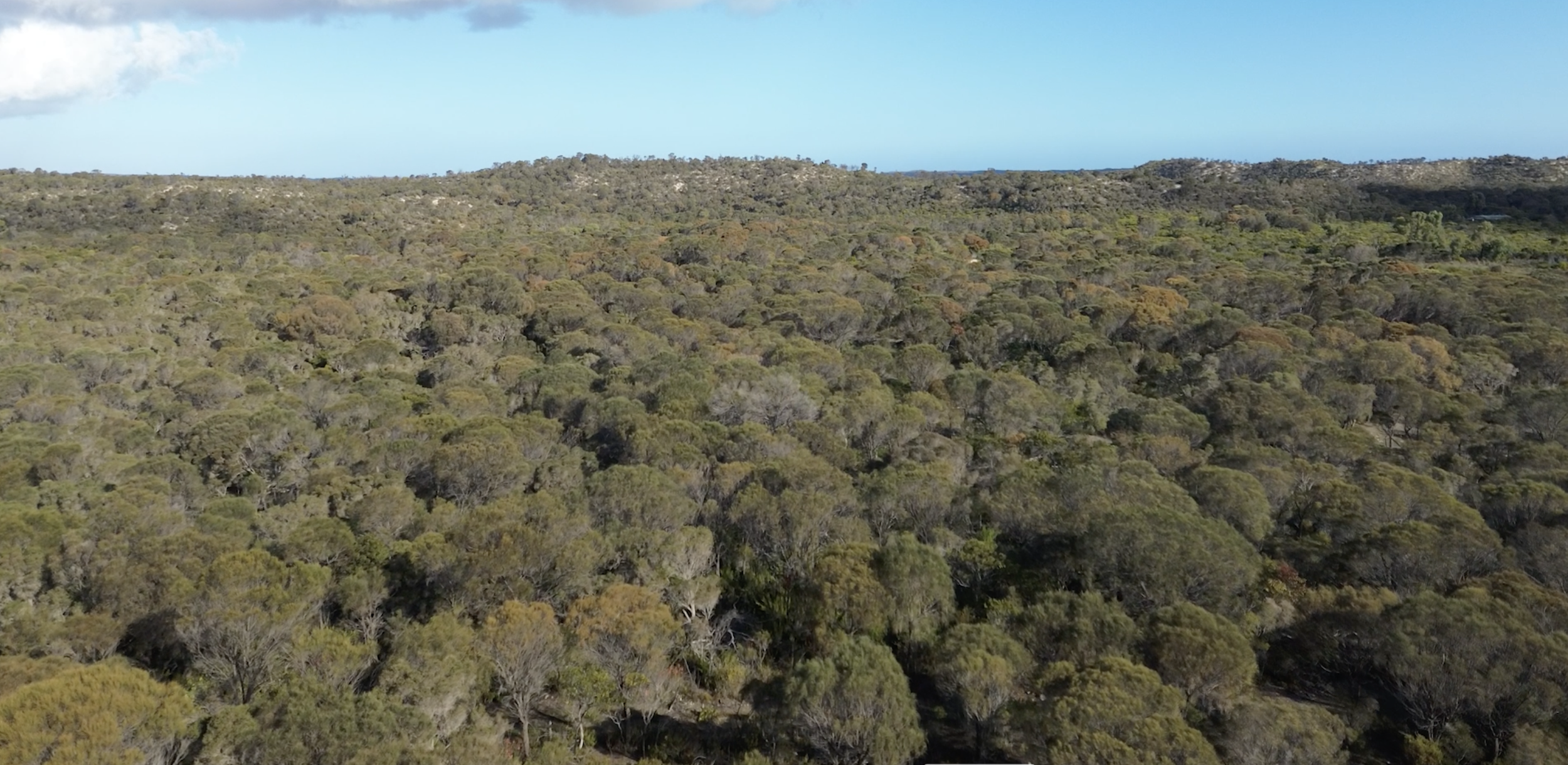
Protecting the Grassy She-oak Woodlands on Eyre Peninsula
Discover the story of one of South Australia’s last remaining Grassy She-oak Woodlands — a critically endangered ecosystem under growing threat from urban expansion, fire, and overgrazing. This article explores the cultural, ecological, and historical significance of the woodland, and how the Yarnbala Foundation is working to protect and restore this rare landscape before it’s lost forever.
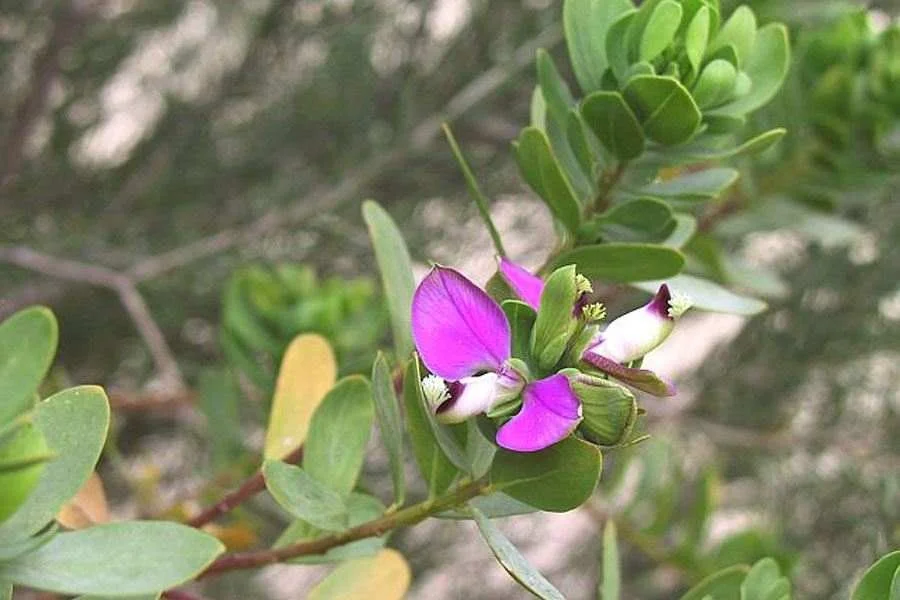
Defending Country from Invasive Weeds & Feral Predators
Invasive species such as Polygala (Myrtle-leaf Milkwort), Aleppo Pines, African Daisy, and Freesias are rapidly spreading across Coffin Bay, forming dense infestations that outcompete native plants, reduce biodiversity, and disrupt natural ecosystem functions. These aggressive weeds and plants threaten the survival of native trees, grasses, and delicate understory species, transforming the unique landscapes of the Eyre Peninsula.
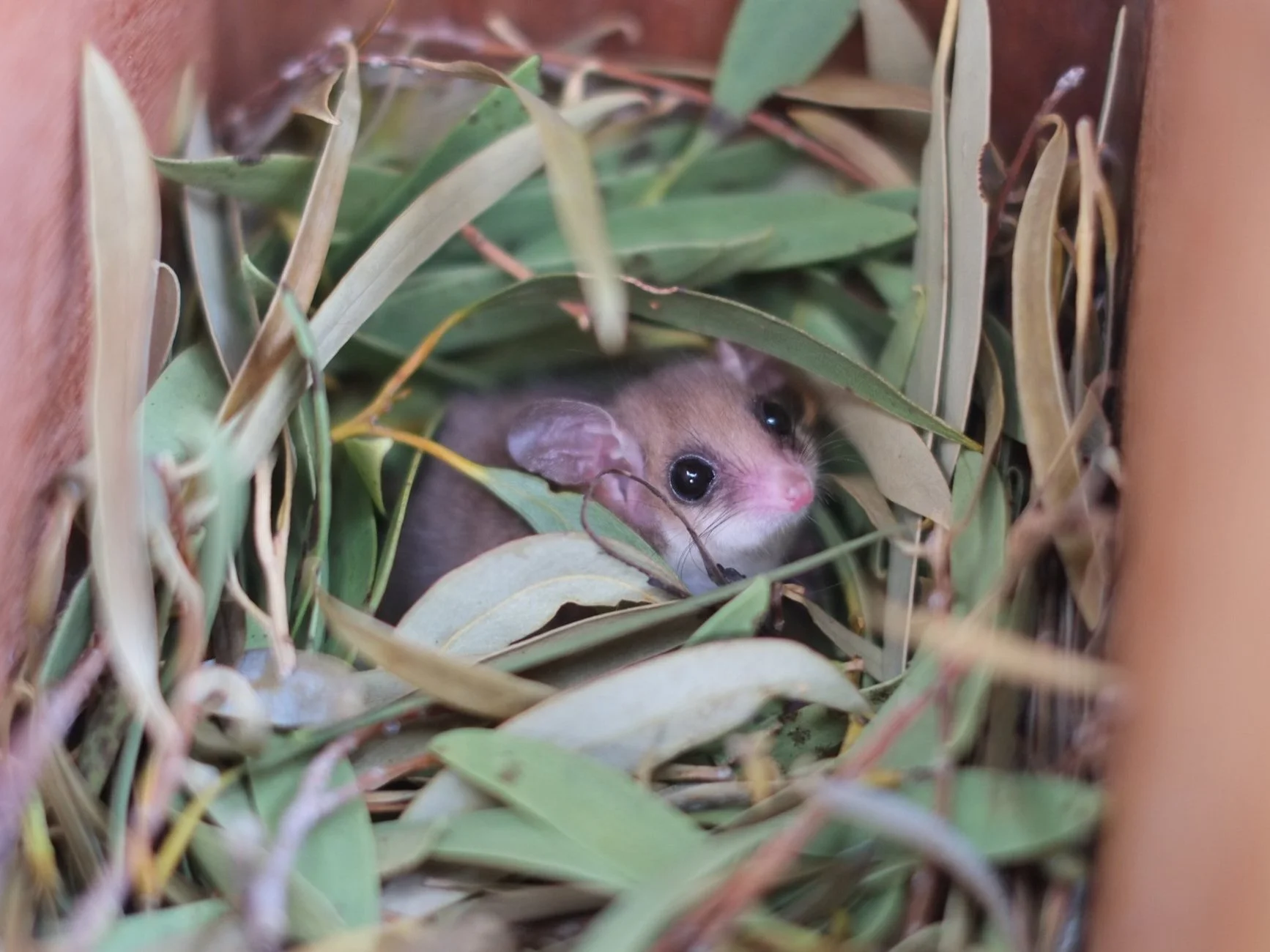
Western Pygmy Possum Conservation & Safe Haven Initiative
The Western Pygmy Possum (Cercartetus concinnus) is a tiny yet extraordinary marsupial that plays a vital role in maintaining healthy ecosystems. However, these unique creatures face increasing threats from habitat loss and predation, placing mounting pressure on their already fragile populations.
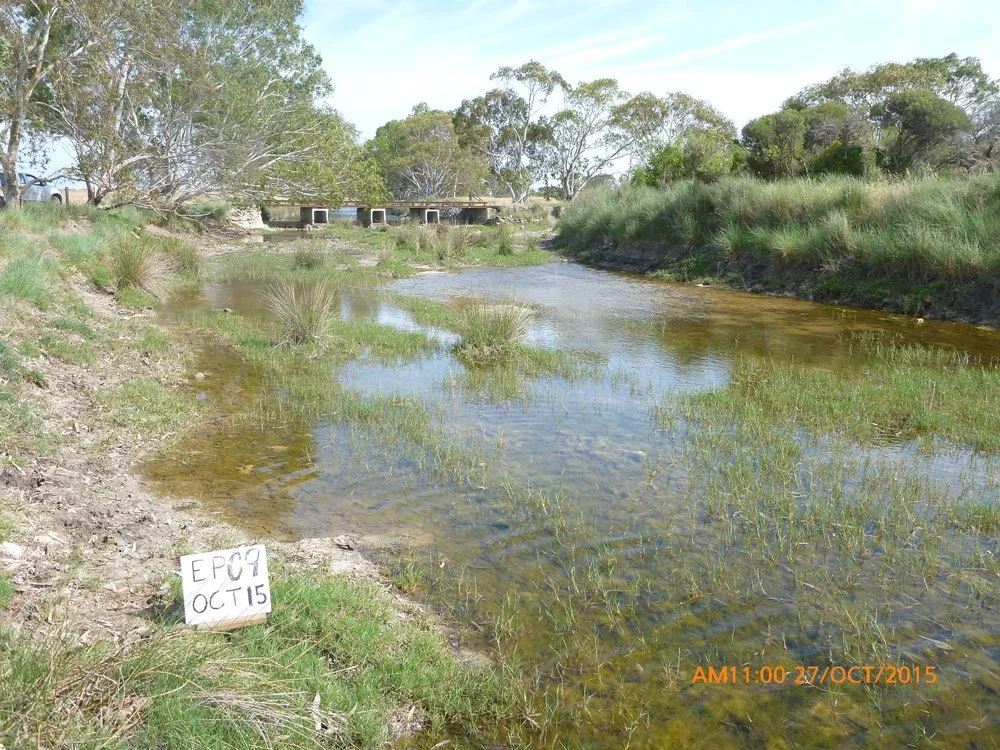
Restoring the Health of Minniribbie Creek
The iconic Minniribbie Creek is a vital stream system on the Lower Eyre Peninsula, originating as the outflow from Lake Wangary and discharging into Kellidie Bay then into the waters of Coffin Bay. It forms the downstream extent of Glengyle Creek, which flows into Lake Wangary.