Western Pygmy Possum Conservation & Safe Haven Initiative
The Western Pygmy Possum: Small But Vital
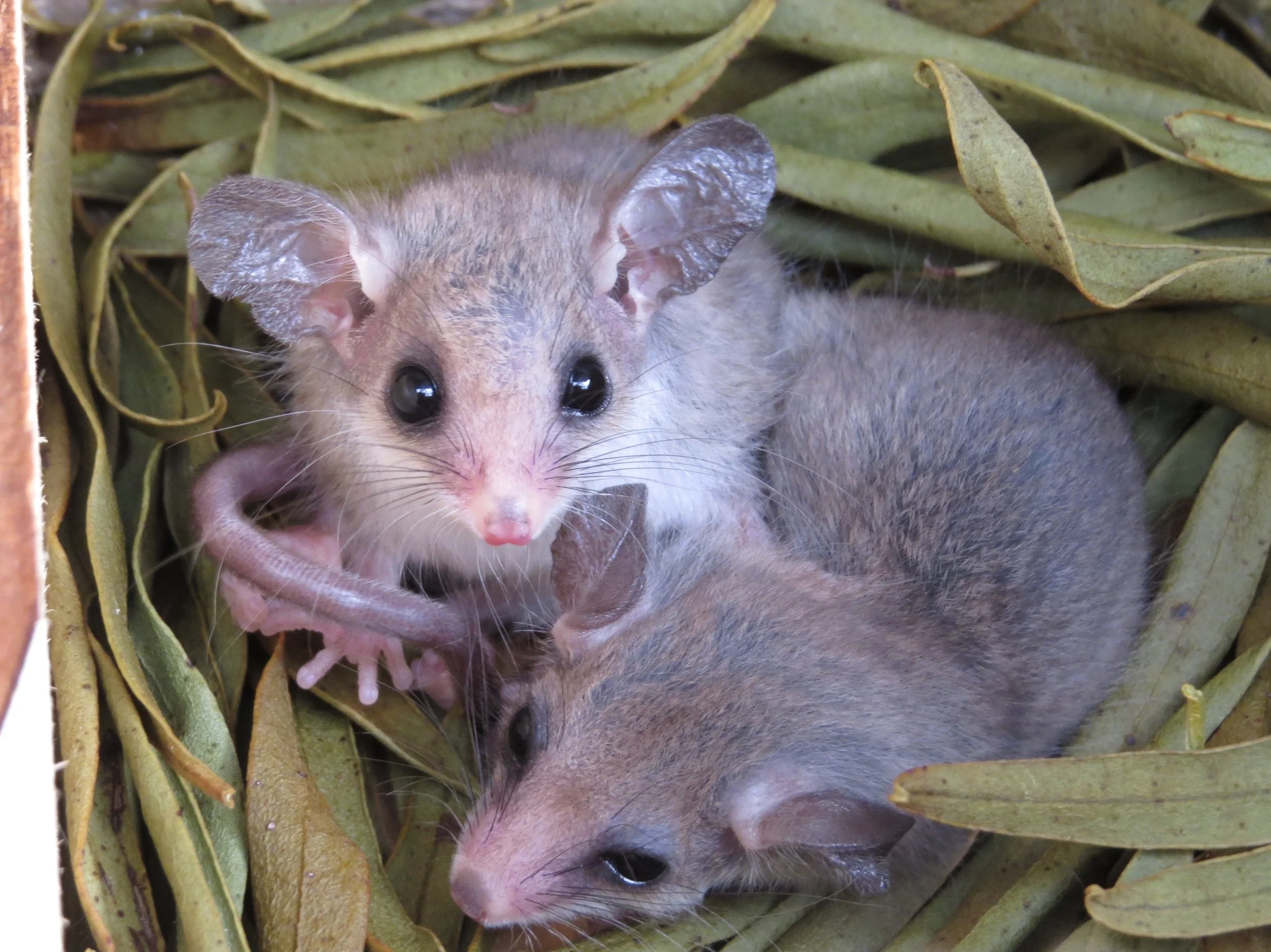
The Western Pygmy Possum (Cercartetus concinnus) is a tiny yet extraordinary marsupial that plays a vital role in maintaining healthy ecosystems. As key pollinators and integral components of the local food web, they support biodiversity and demonstrate remarkable adaptability across diverse habitats.
Threats Facing a Fragile Species
However, these unique creatures face increasing threats from habitat loss and predation, placing mounting pressure on their already fragile populations. In particular, prescribed burns conducted by the neighbouring National Park — though well-intentioned — have severely impacted the ecosystems surrounding Coffin Bay, further diminishing critical habitat and compounding the challenges faced by this vulnerable species.
The Western Pygmy Possum’s life cycle presents additional vulnerabilities. With a lifespan of just seven years, they reproduce only every second year, timed with the flowering of Coastal White Mallee (Eucalyptus diversifolia) and Dryland Tea Tree (Melaleuca lanceolata). This results in just two to three breeding opportunities in a lifetime. Such a limited reproductive window, combined with ongoing environmental disturbances and predation from feral animals, significantly hampers the species' ability to sustain viable populations.
The Safe Haven Initiative at Yarnbala
In response, the Western Pygmy Possum Safe Haven Initiative was established at Yarnbala in 2015 to secure and protect essential habitats through the implementation of land covenants. These conservation measures are designed to safeguard the species against multiple threats and support long-term population recovery.
Nesting Boxes: Innovation in Action
At the heart of this initiative are innovative nesting boxes — originally designed and constructed by the Slater family — which have since been shared with conservation groups and community partners. Yarnbala continues to expand this program by installing additional nesting sites both on-site and across key locations on the Lower Eyre Peninsula, helping to rebuild pygmy possum populations and restore degraded habitats.
Collaboration With Cathedral Rocks Wind Farm
This work has gained industry recognition, including collaborations with Cathedral Rocks Wind Farm, where Yarnbala has supported the supply and installation of nesting boxes. This partnership demonstrates how biodiversity conservation can work hand-in-hand with renewable energy development.
Future Conservation Plans
Looking ahead, the Yarnbala Foundation has identified adjoining areas of pristine native vegetation that present a critical opportunity for land acquisition. By securing these areas, we aim to establish protected wildlife corridors, enabling the natural expansion of pygmy possum populations and the broader ecological network they support.
Monitoring for Research and Community Engagement
To further support research and public engagement, we are developing a remote camera monitoring program to provide real-time insights into the largely unseen and little-understood lives of pygmy possums, including their behaviours, breeding activity, and habitat use within nesting sites. As a species rarely observed in the wild, this initiative aims to place Yarnbala at the forefront of innovative, on-ground conservation research. The technology will not only advance scientific understanding but also offer the public a rare and intimate window into the lives of these remarkable marsupials, fostering deeper community connection and leadership in conservation awareness.
How You Can Support Western Pygmy Possum Conservation
Securing financial support from individuals, businesses, and conservation groups will directly contribute to habitat restoration, population monitoring, and the long-term survival of the Western Pygmy Possum on the Lower Eyre Peninsula. Together, we can protect this species and ensure it continues to play its essential role in our ecosystems for generations to come.