Re-wilding our Rarest Marsupial Species
A Critically Endangered Ecosystem
Yarnbala’s grassy she-oak (Allocasuarina verticillata) woodland is not only ecologically significant — it is now classified as a critically endangered ecosystem. Once widespread across the Eyre Peninsula, this unique habitat type has been reduced to scattered remnants due to extensive land clearing and grazing pressures. The recovery of this ecosystem represents a unique and urgent opportunity to conserve biodiversity and re-establish ecological processes that have been lost across much of the region.
Success Through Protection
Within Yarnbala’s existing heritage area lies a Significant Environmental Benefit (SEB) site, established and fenced over 30 years ago to protect native vegetation from overgrazing by western grey kangaroos. Thanks to this protection, native grasses have re-established, creating conditions that have already supported the return of the vulnerable Diamond Firetail Finch (Stagonopleura guttata)—a small but promising success story that highlights the power of targeted conservation.
Rewilding key marsupial species
Now, through the Yarnbala Foundation, we are prepared to take the next critical step: establishing a comprehensive rewilding program to reintroduce key marsupial species that once inhabited this landscape. These include:
Brush-tailed Bettong (Bettongia penicillata) – Endangered
Greater Stick-nest Rat (Leporillus conditor) – Vulnerable
Southern Brown Bandicoot (Isoodon obesulus obesulus) – Endangered
Greater Bilby (Macrotis lagotis) – Vulnerable’
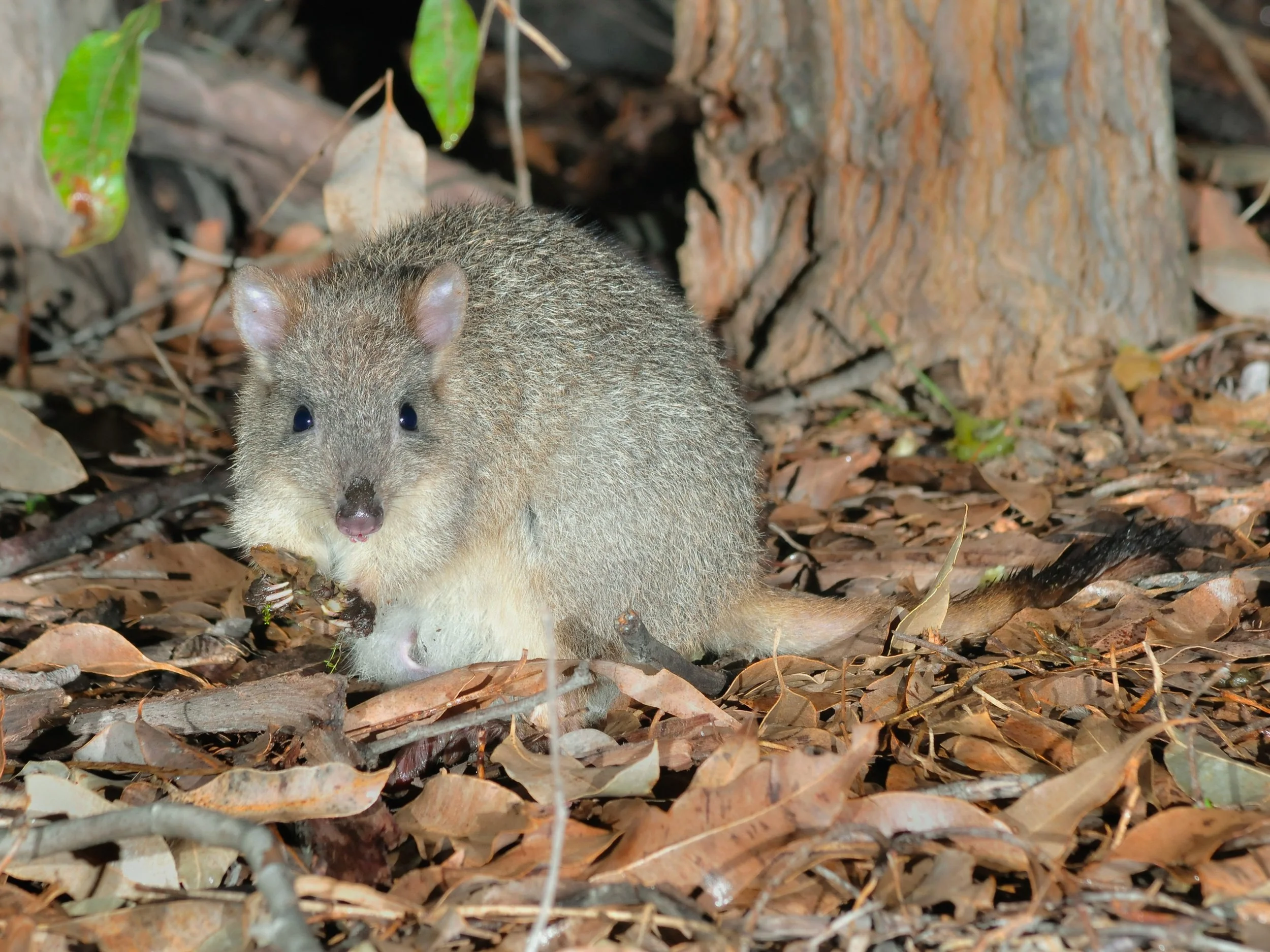
Brush-Tail Bettong. Image Credit : Australian Wildlife Conservancy
The Role of ‘Ecosystem Engineers’
These species are considered “ecosystem engineers”—their natural behaviours such as digging, foraging, and seed dispersal enhance soil health, promote native plant regeneration, and restore ecological balance. Their presence is crucial for improving biodiversity and resilience in semi-arid landscapes.
However, decades of habitat loss and the spread of invasive predators—particularly foxes and feral cats—have pushed many of these marsupials to the brink of extinction. Agriculture-driven land clearing has further fragmented their once-expansive habitats.
What We’re Doing About It
To address this, the Yarnbala Foundation is seeking philanthropic support and values-aligned partners to help bring this vision to life by:
Establishing a predator-proof sanctuary within the SEB area, creating a safe, enduring refuge where vulnerable species can recover and thrive.
Supporting vital research and monitoring that guides best-practice conservation and ensures these populations are protected for generations to come.
Partnering with conservation leaders and like-minded stakeholders who share a commitment to restoring biodiversity and protecting rare species.
Inspiring connection through education and community engagement, empowering people to play a meaningful role in the protection and restoration of Coffin Bay’s unique ecosystems.
How You Can Help
Your investment in this initiative will directly contribute to a scalable, science-backed conservation program that combines land stewardship, ecological research, and species recovery. With your support, we can protect and re-establish these critical species—and lead a nationally significant rewilding effort on the Eyre Peninsula.
Together, we can be part of bringing back forgotten fauna, ensuring the survival of these remarkable marsupials and the ecosystems they help sustain.