Protect the Western Pygmy Possum
Fundraising Target:$15,600
Cost to Protect Habitat: $66.50 per 1,000 m²
Action:Install four remote cameras in possum nesting boxes for real-time, non-invasive monitoring, plus 25 additional nesting boxes to expand habitat and improve connectivity.
Location: Lot 603 & 602, Coffin Bay
Area: 58 acres (234,500 m²)
Threatened Species: Western Pygmy Possum (Cercartetus concinnus)
Habitat: Critically Endangered Drooping She-oak Woodland on Calcrete and Open Mallee Woodland of the Eyre Yorke Bioregion
Project Snapshot
Yarnbala Foundation will install four remote monitoring cameras within selected Western Pygmy Possum boxes, linked to the internet to allow real-time observation and education. This is a keystone step in monitoring these tiny marsupials in their natural environment without the need to repeatedly open nesting boxes, which can cause stress to the animals. The cameras will provide valuable real-time insights for conservation and science while allowing people to better understand this largely unseen species.
Alongside this, a minimum of 25 additional purpose-built nesting boxes will be installed with the necessary posts and infrastructure across key habitat areas, expanding safe refuge and strengthening habitat connectivity across the landscape.
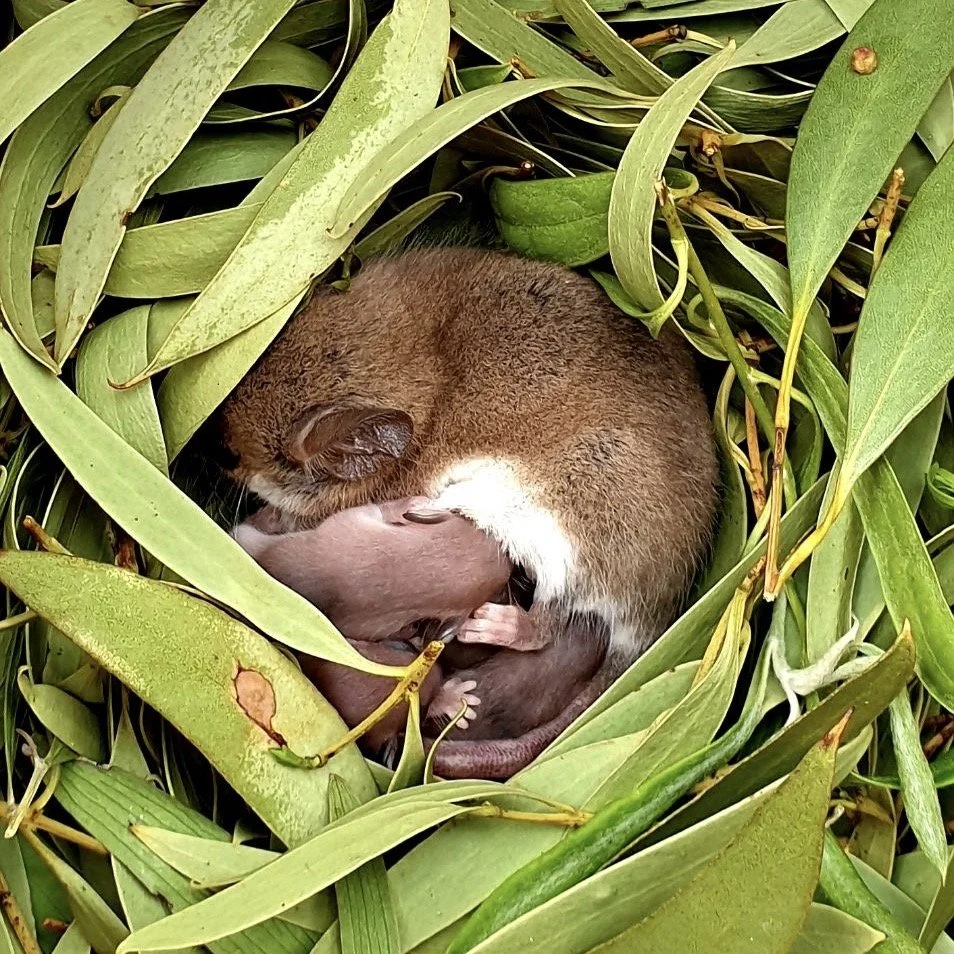
Western Pygmy Possum with joeys
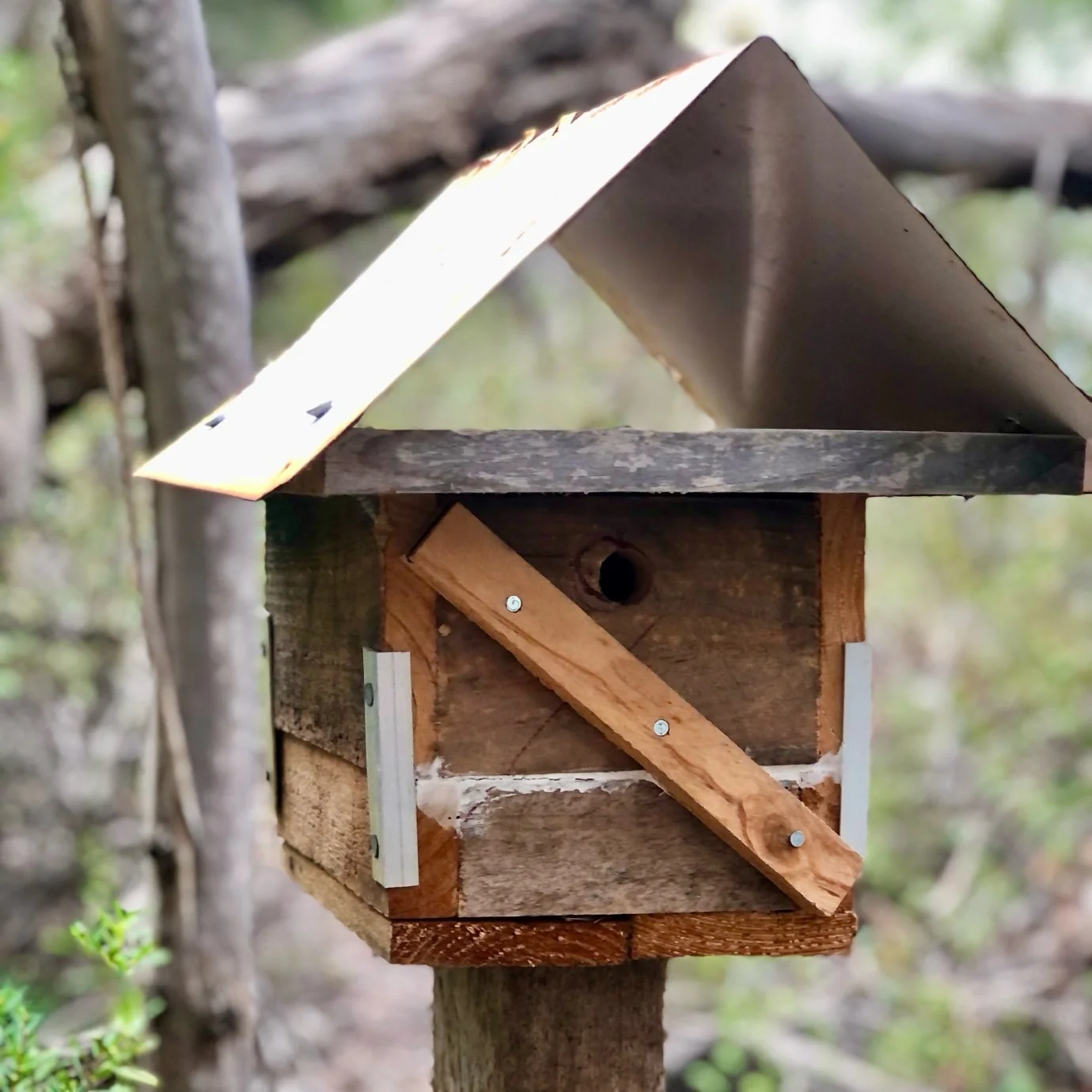
Western Pygmy Possum box
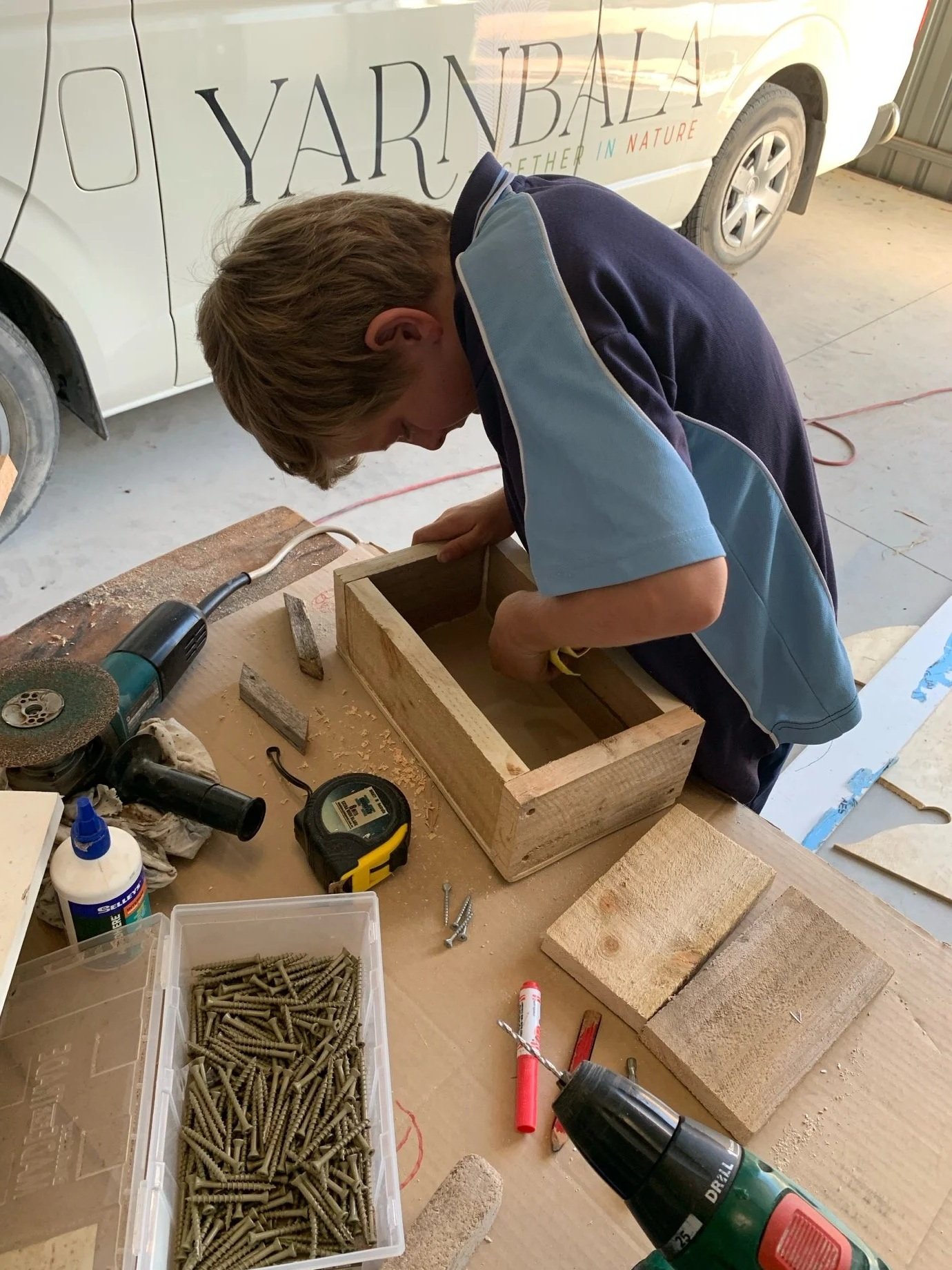
Arj making a Western Pygmy Possum box
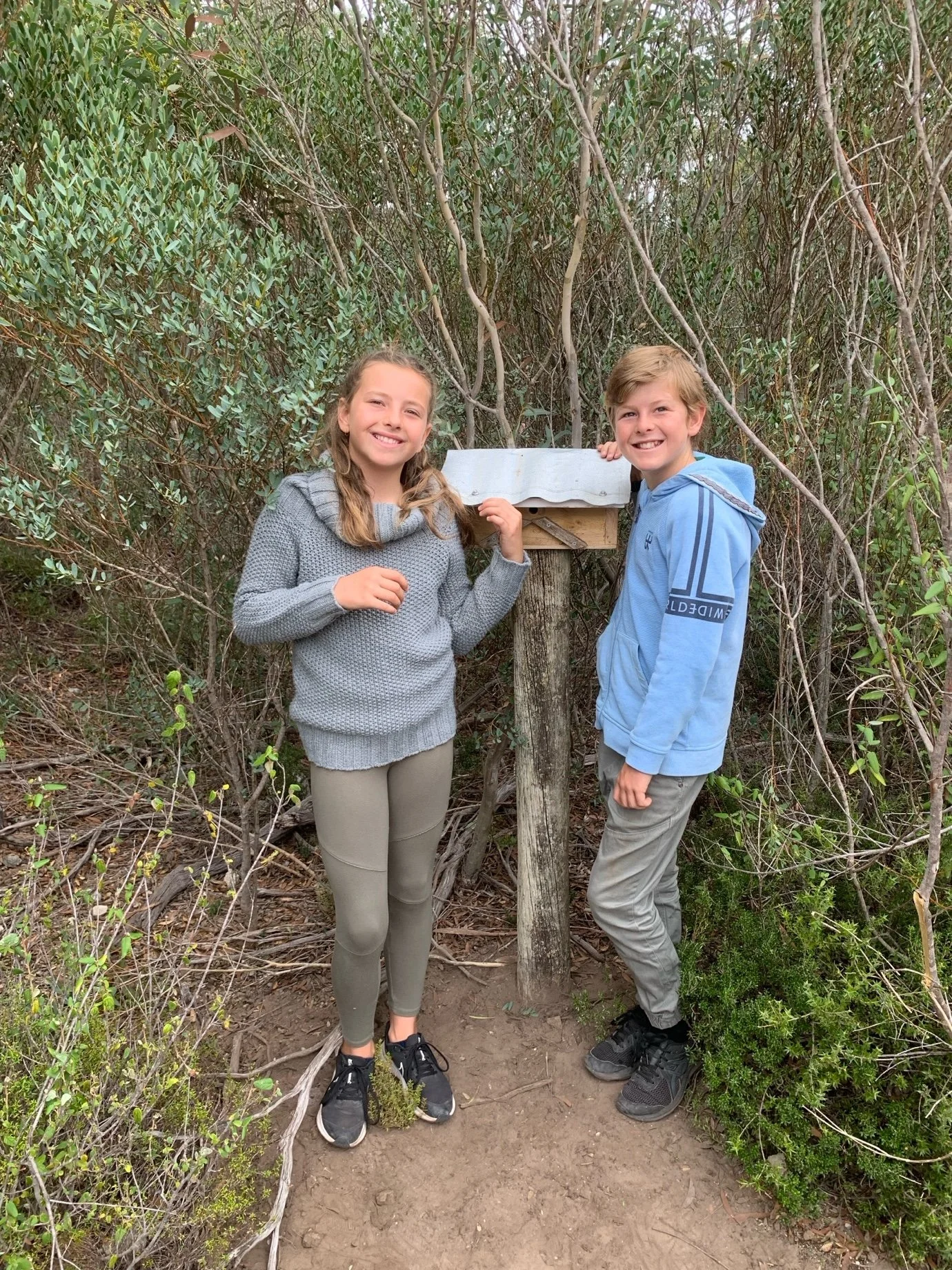
Tallara and Arj with a Western Pygmy Possum box
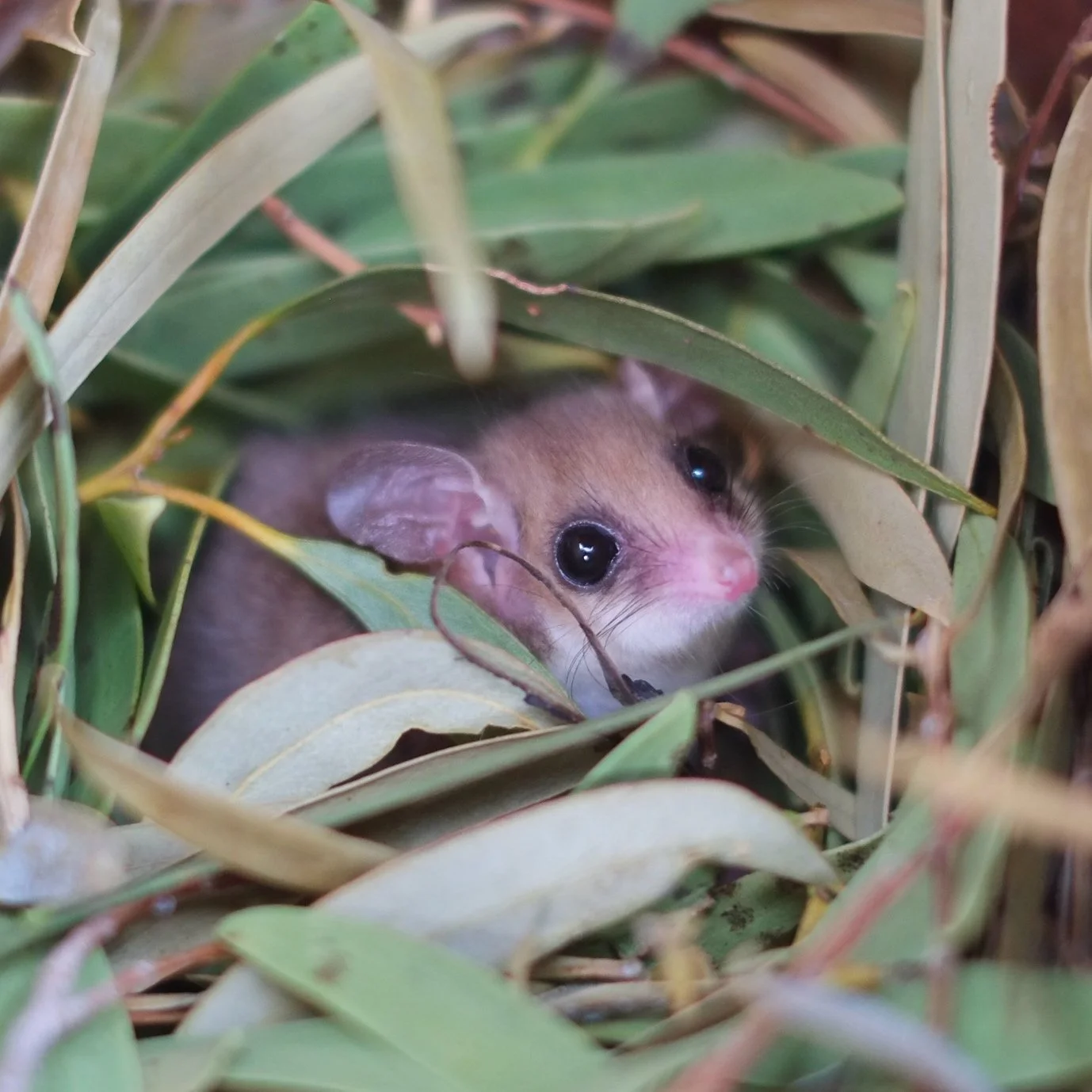
Western Pygmy Possum inside a box
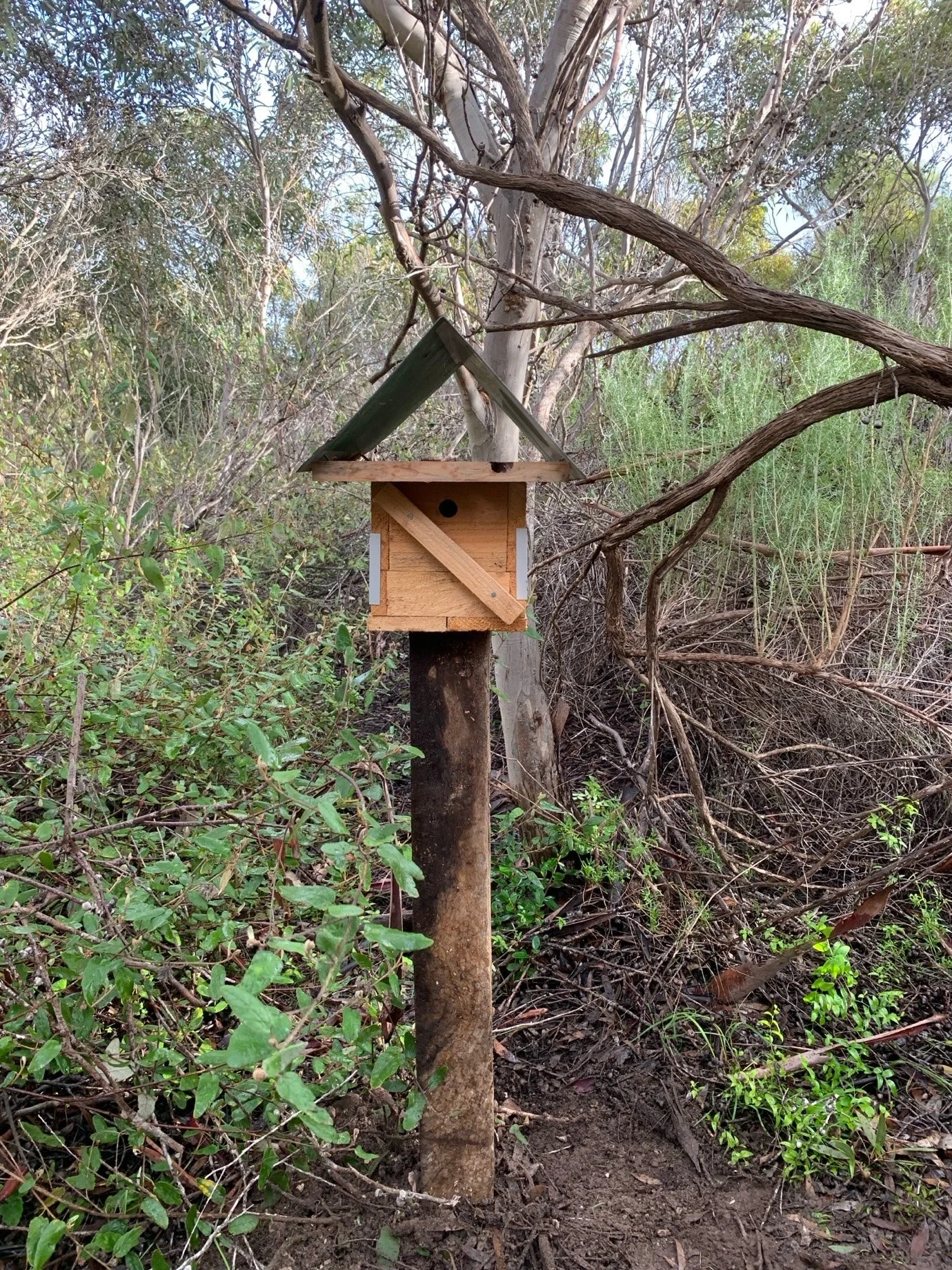
Western Pygmy Possum box on wooden sleeper.jpeg
More information about this project
For more than twelve years, the Slater family at Yarnbala has been actively working to support the conservation of the Western Pygmy Possum (Cercartetus concinnus), a tiny but ecologically important marsupial found throughout the coastal landscapes of the Eyre Peninsula. As important pollinators, these possums play a quiet yet vital role in maintaining healthy ecosystems by assisting in the pollination of native plants and contributing to the broader food web. Through long-term observation and hands-on conservation efforts, we have seen firsthand how resilient these animals can be when suitable habitat and safe refuge are available.
However, the species faces increasing pressure from habitat loss, inappropriate fire regimes and predation from feral animals. The Western Pygmy Possum also has a naturally fragile life cycle. With a lifespan of around seven years and breeding opportunities tied closely to the flowering of key plants such as Coastal White Mallee (Eucalyptus diversifolia) and Dryland Tea Tree (Melaleuca lanceolata), individuals may only breed two or three times in their lifetime. This limited reproductive window means that environmental disturbance or habitat loss can have long-lasting impacts on local populations.
Recognising these challenges, Yarnbala initiated specially designed nesting boxes to provide secure refuge for Western Pygmy Possums with possums consistently using these boxes in most cases raising young within them. The continued use of these structures has demonstrated their value as an effective conservation tool, particularly in landscapes where natural nesting hollows are limited.
What we’re trying to achieve
The Yarnbala Foundation plans to install discreet monitoring cameras at selected nesting sites during the current breeding season, allowing real-time observations of the Western Pygmy Possums. These observations will not only support valuable conservation research but allow people to view and learn about these largely unknown marsupials online, helping build awareness while avoiding disturbance to animals in their nesting boxes.
Alongside this monitoring, the Foundation aims to expand this program by doubling the number of nesting boxes across key habitats and strengthening protected vegetation corridors allowing these small marsupials to move safely through the landscape.
If successful, this approach could represent a first for South Australia — and potentially Australia — creating a unique opportunity to raise awareness for the Western Pygmy Possum while supporting future conservation and funding efforts.