save the Grassy She-oak Woodland on Calcrete
Action:Purchase lAND and provide protection for permanent conservation
Fundraising Target: $1.15m
Per square metre cost: $22.57
Location: Lot 602, 13 Martindale Street, Coffin Bay
Area: 5.95 ha or 50,950 sqm
Threatened Species: Western Yellow Robin, Painted Button Quail, Fantailed Cuckoo, Western Pygmy Possum, Owlet Nightjar, Tawny Frogmouth, Southern Scrub Robin, Diamond Firetail Finch, Rosenberg Goanna, Scarlet Robin, Southern Emu Wren, Western Whipbird, Rock parrot, Blue Breasted Fairy Wren
Habitat: Drooping She-oak Woodland on Calcrete of the Eyre Yorke Bioregion classified as Critically Endangered
Project Snapshot
This 5.95 hectare (50,950 sqm) property is offered at $1,150,000, equating to just $22.57 per sqm — exceptional value for a project with lasting conservation impact.
Securing and protecting Lot 603, Martindale Street, Coffin Bay represents a significant opportunity to safeguard critical habitat and support threatened species. With your support, this important piece of land can be preserved for future generations.
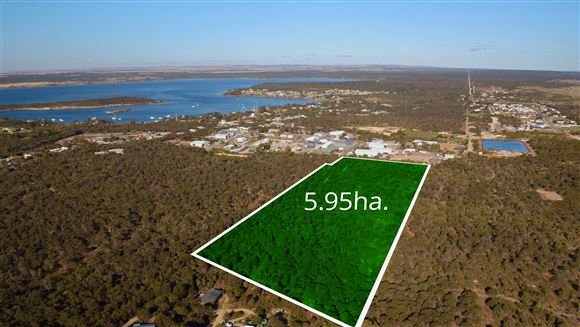
Lot 602 - 13 Martindale Street
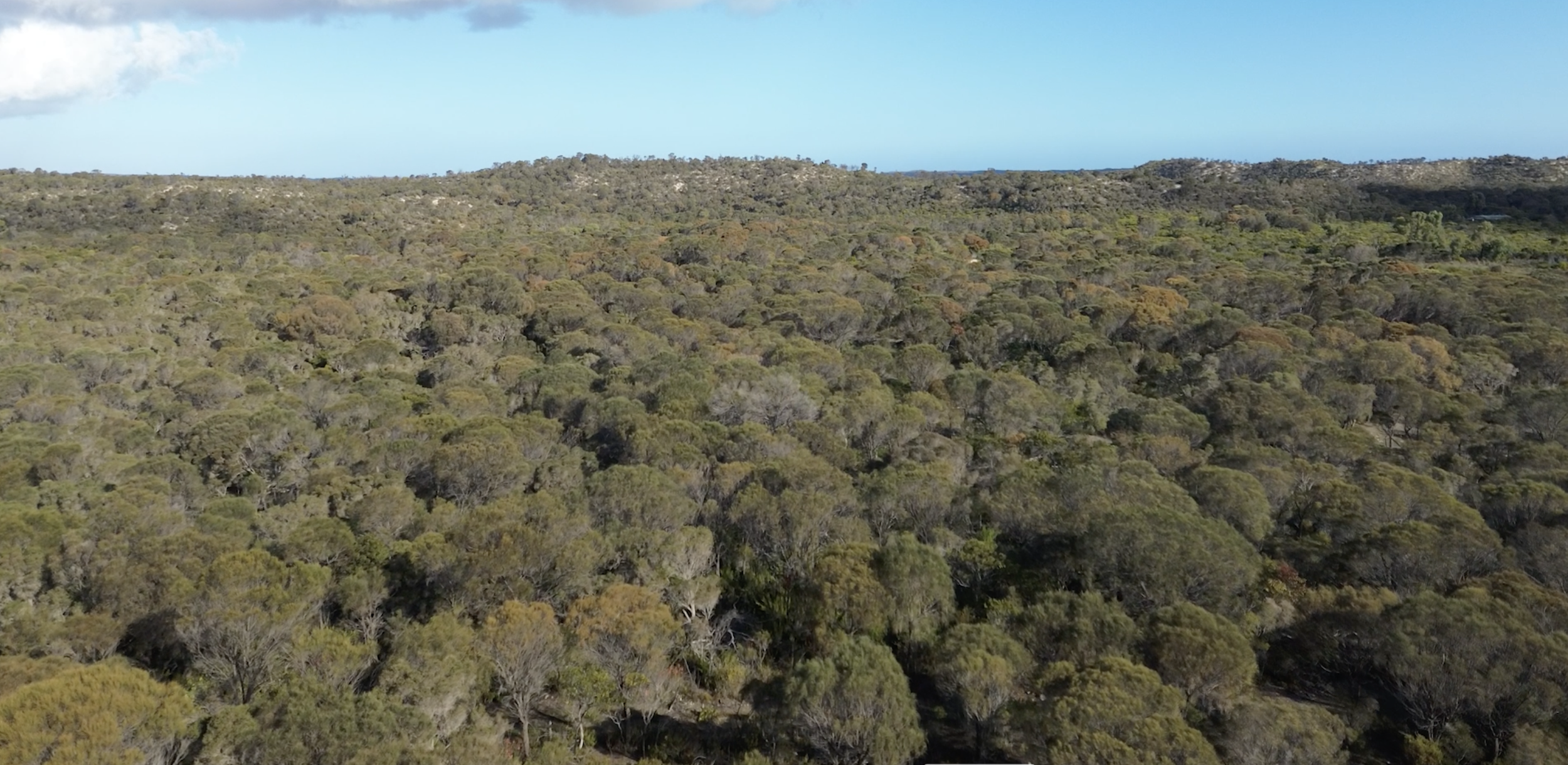
Grassy She-oak Woodland on Calcrete
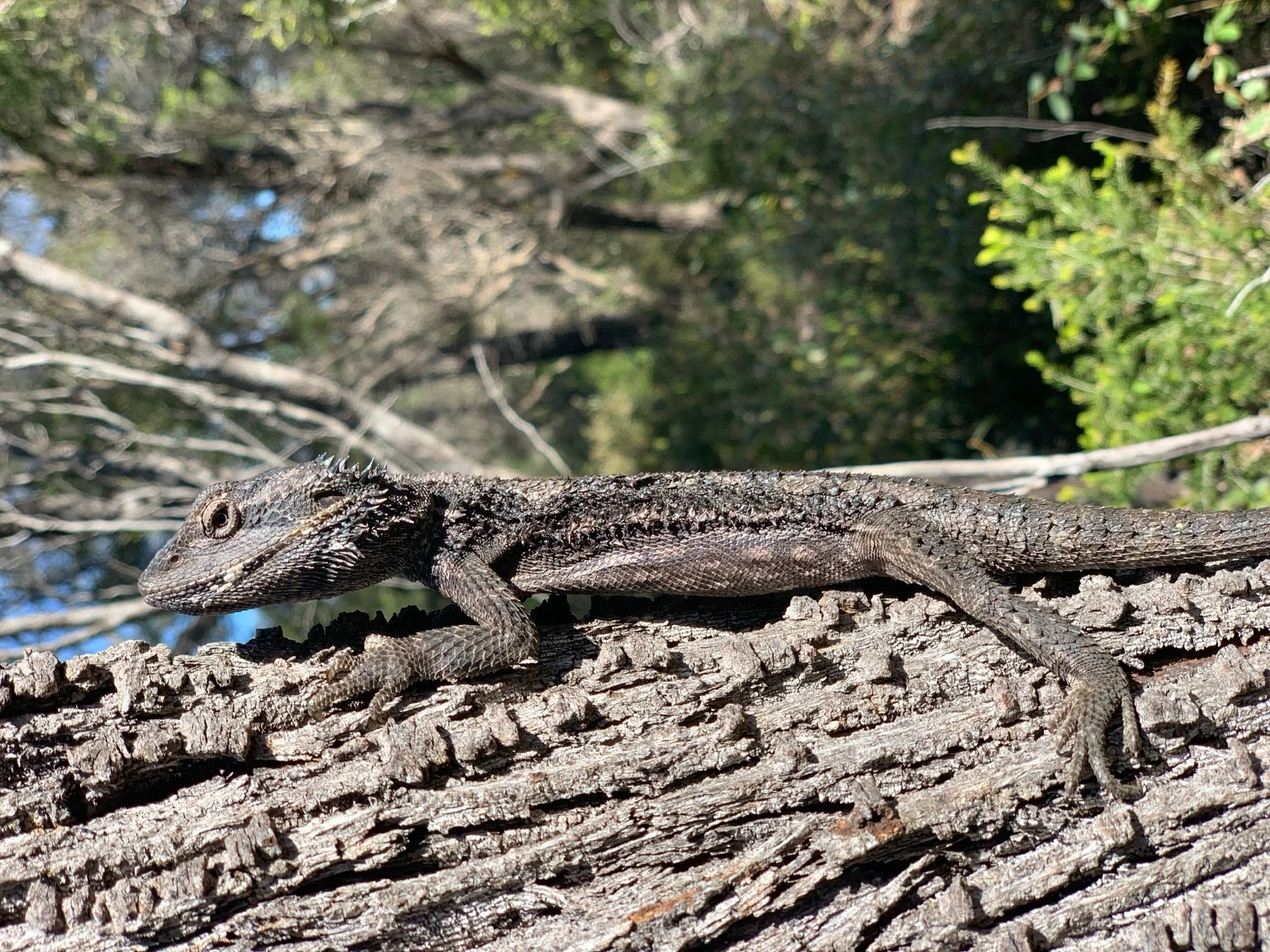
Bearded Dragon
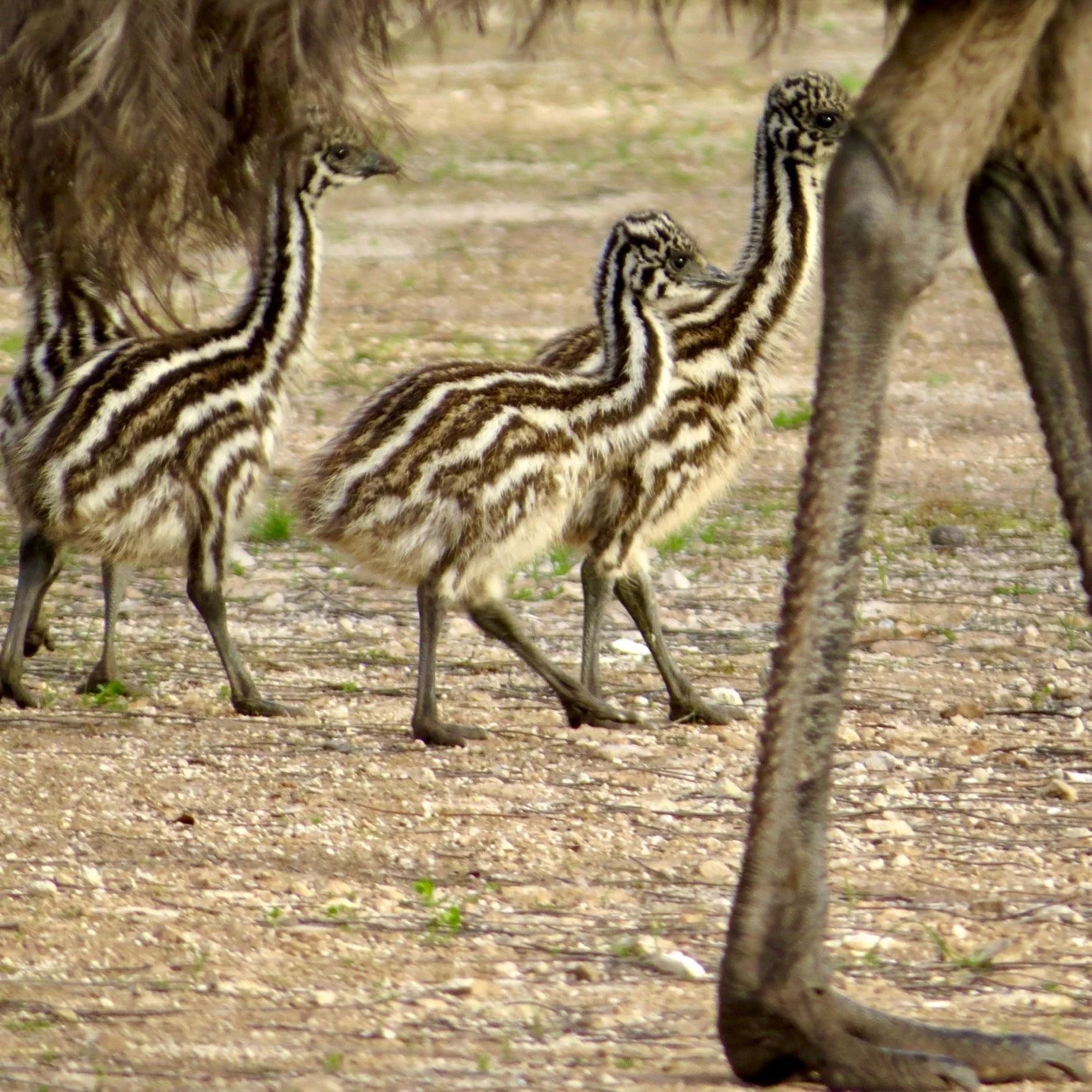
Emu Chicks
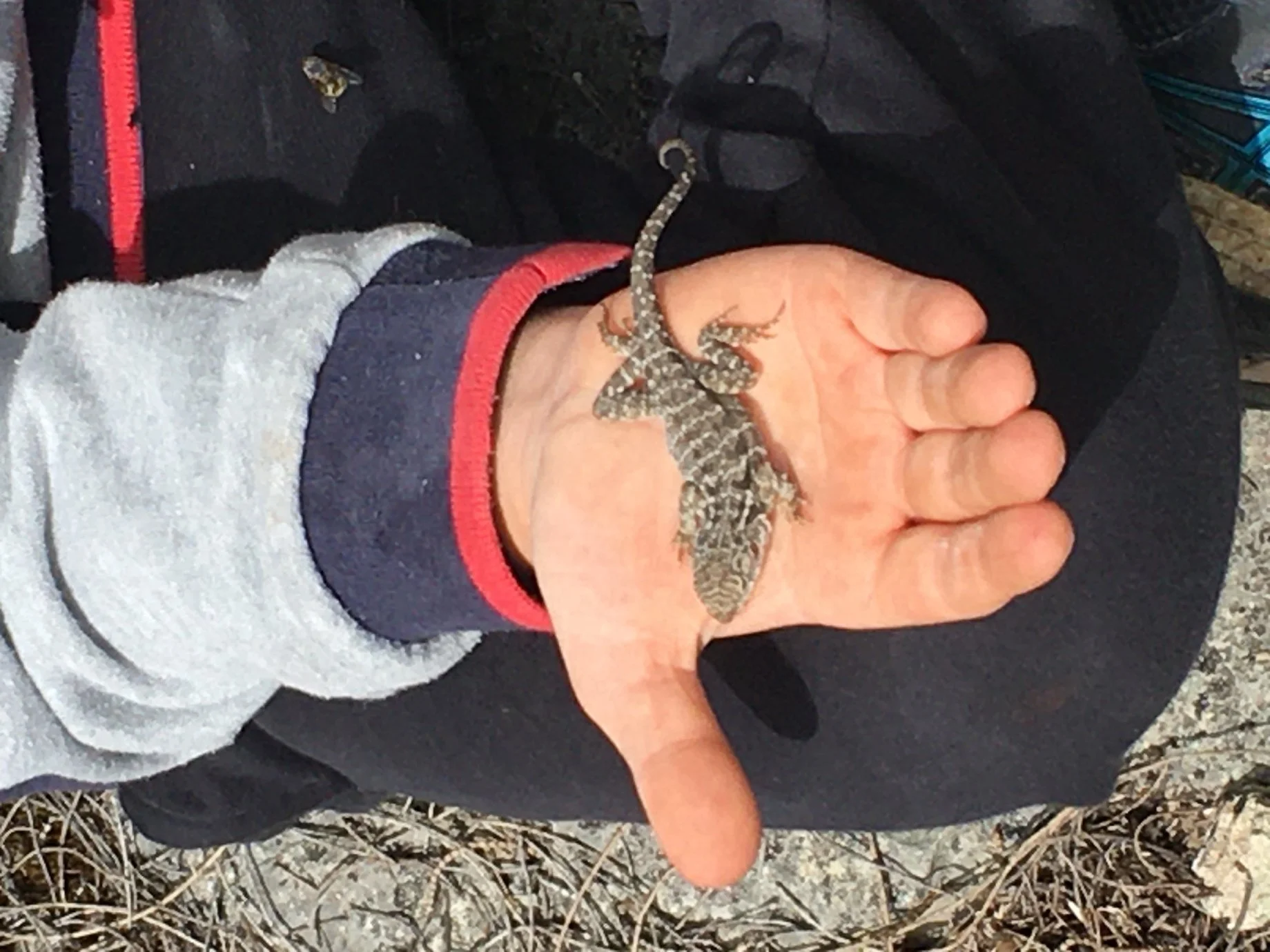
granite spiny lizard
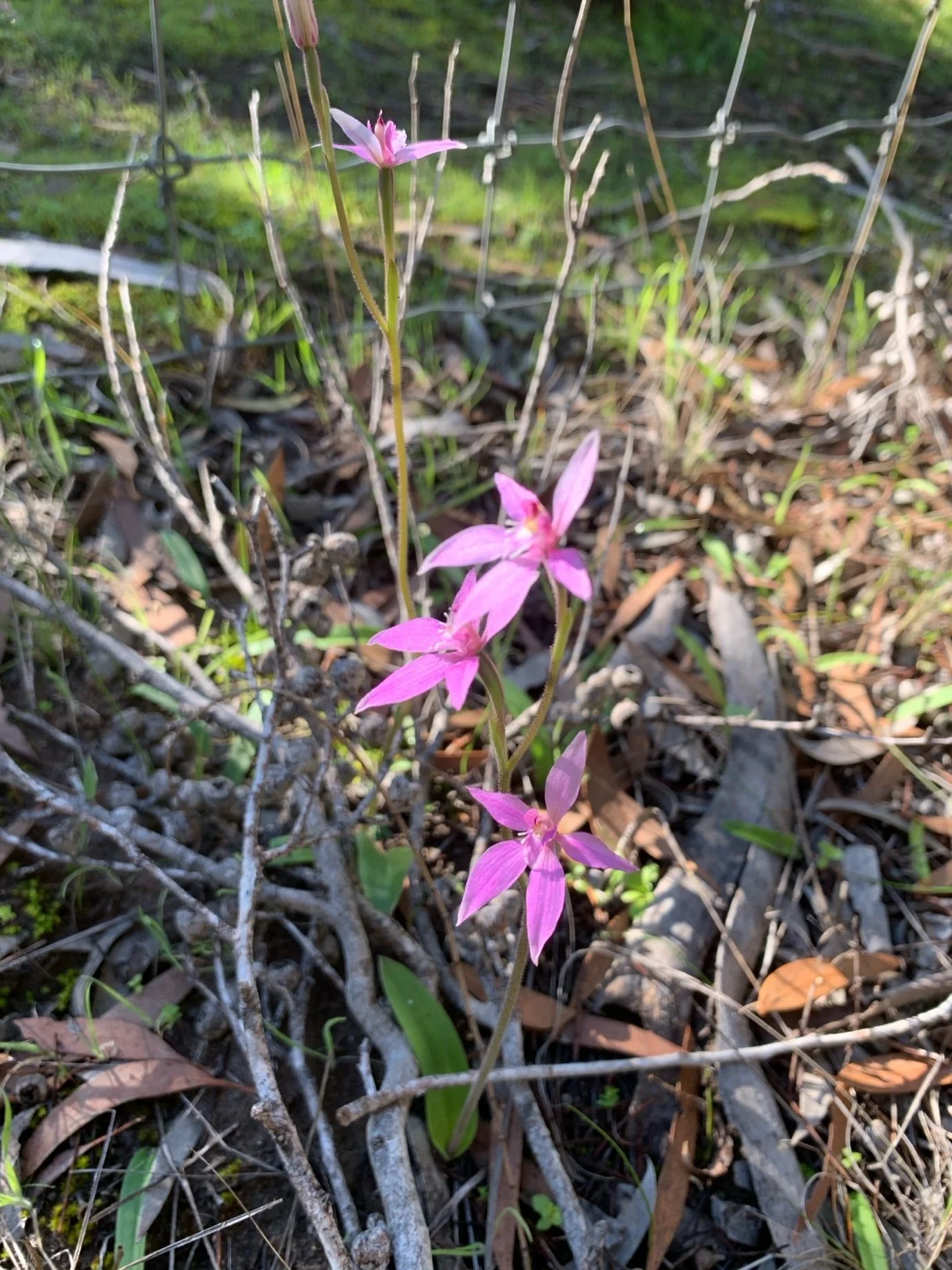
Pink Fairy Orchids
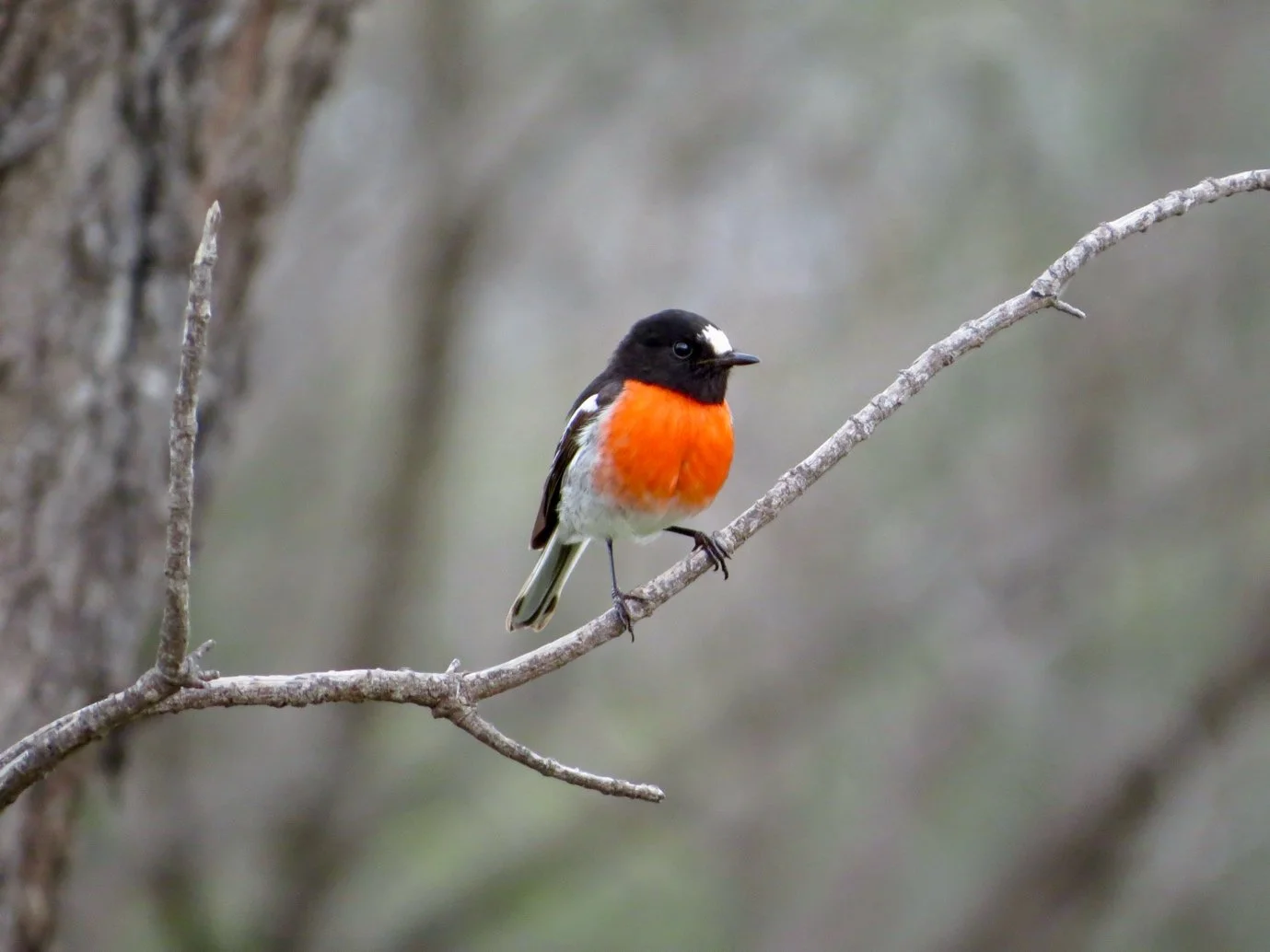
Scarlet Robin
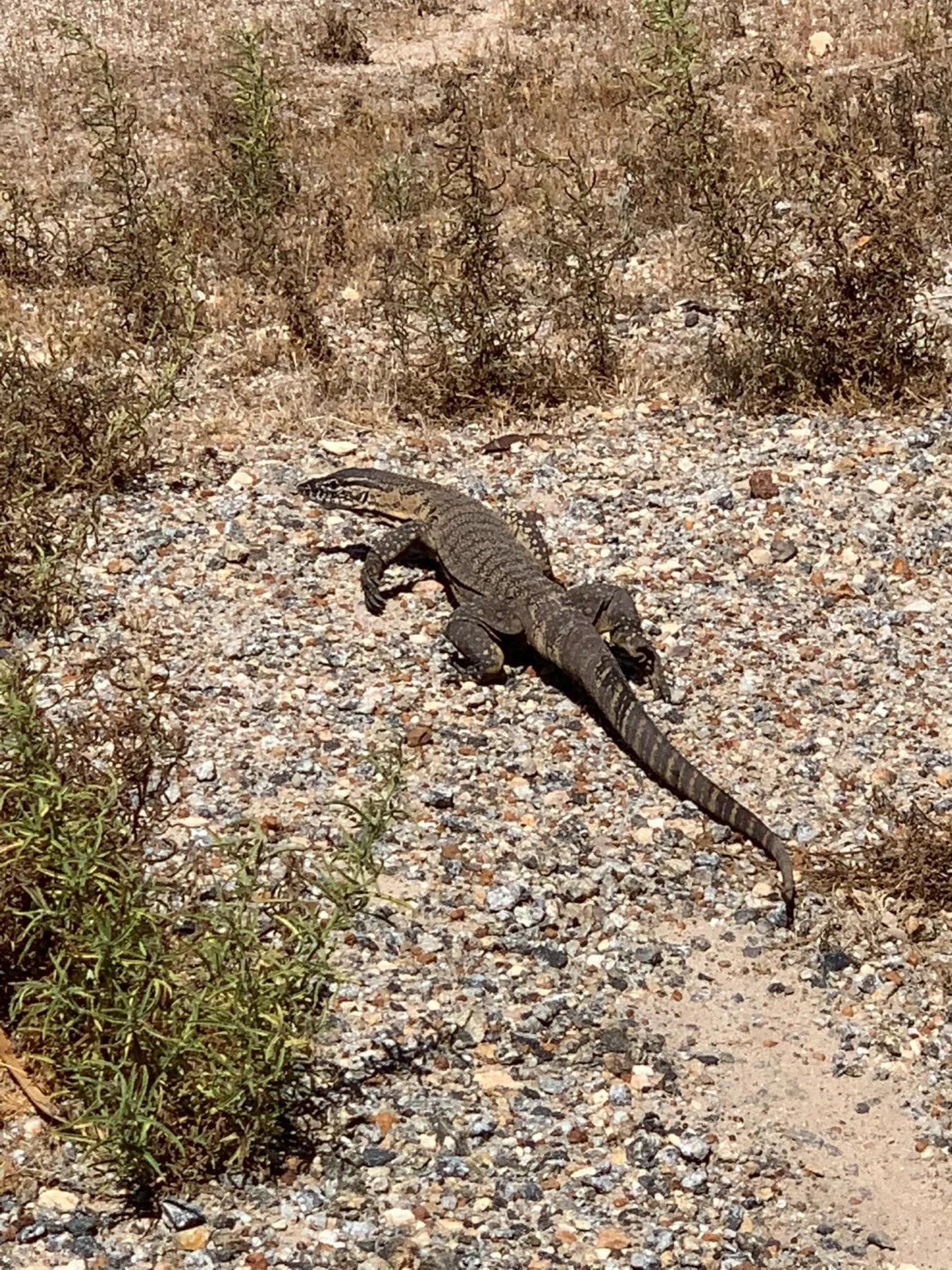
Rosenberg's monitor
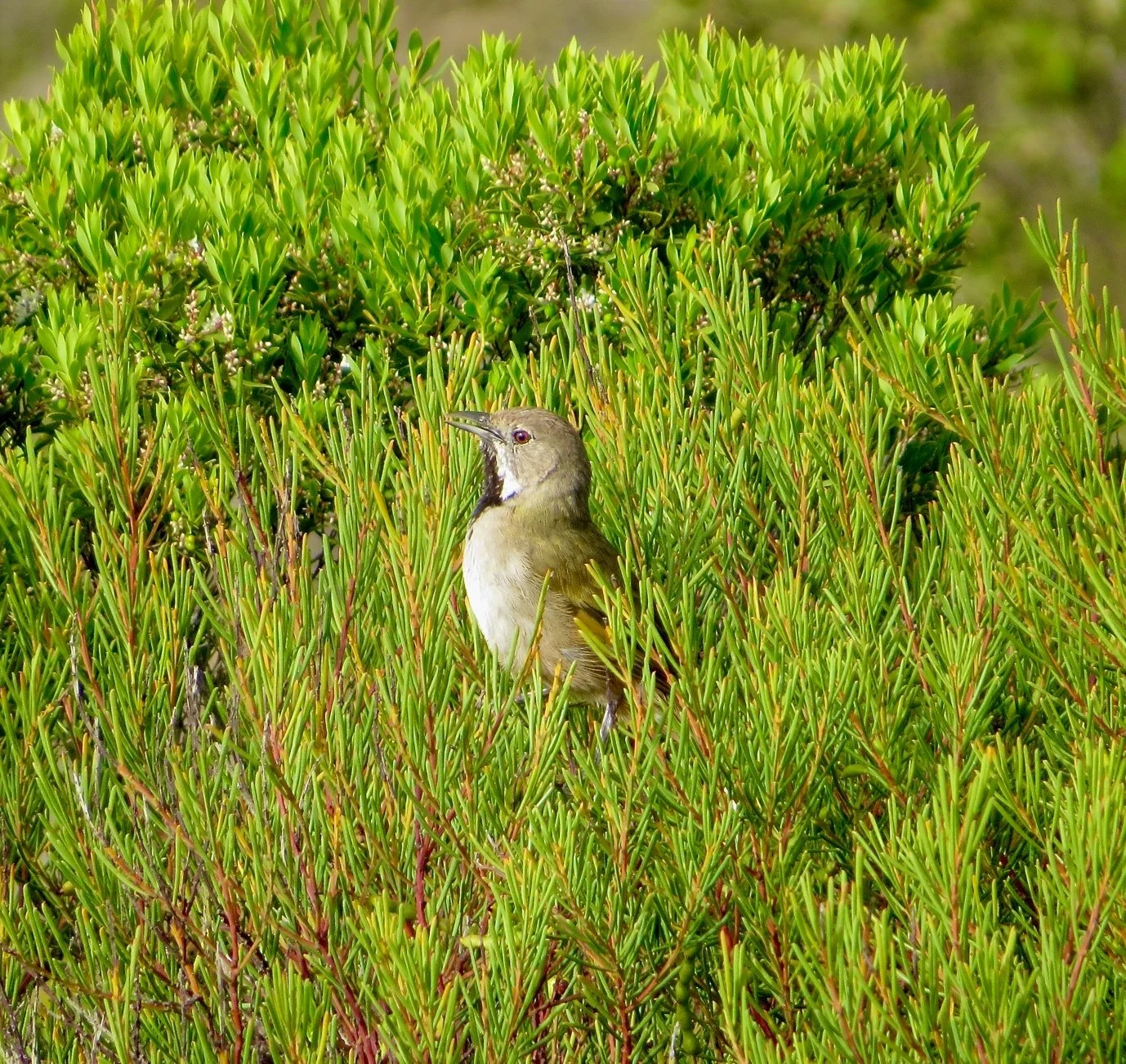
Singing Honeyeater
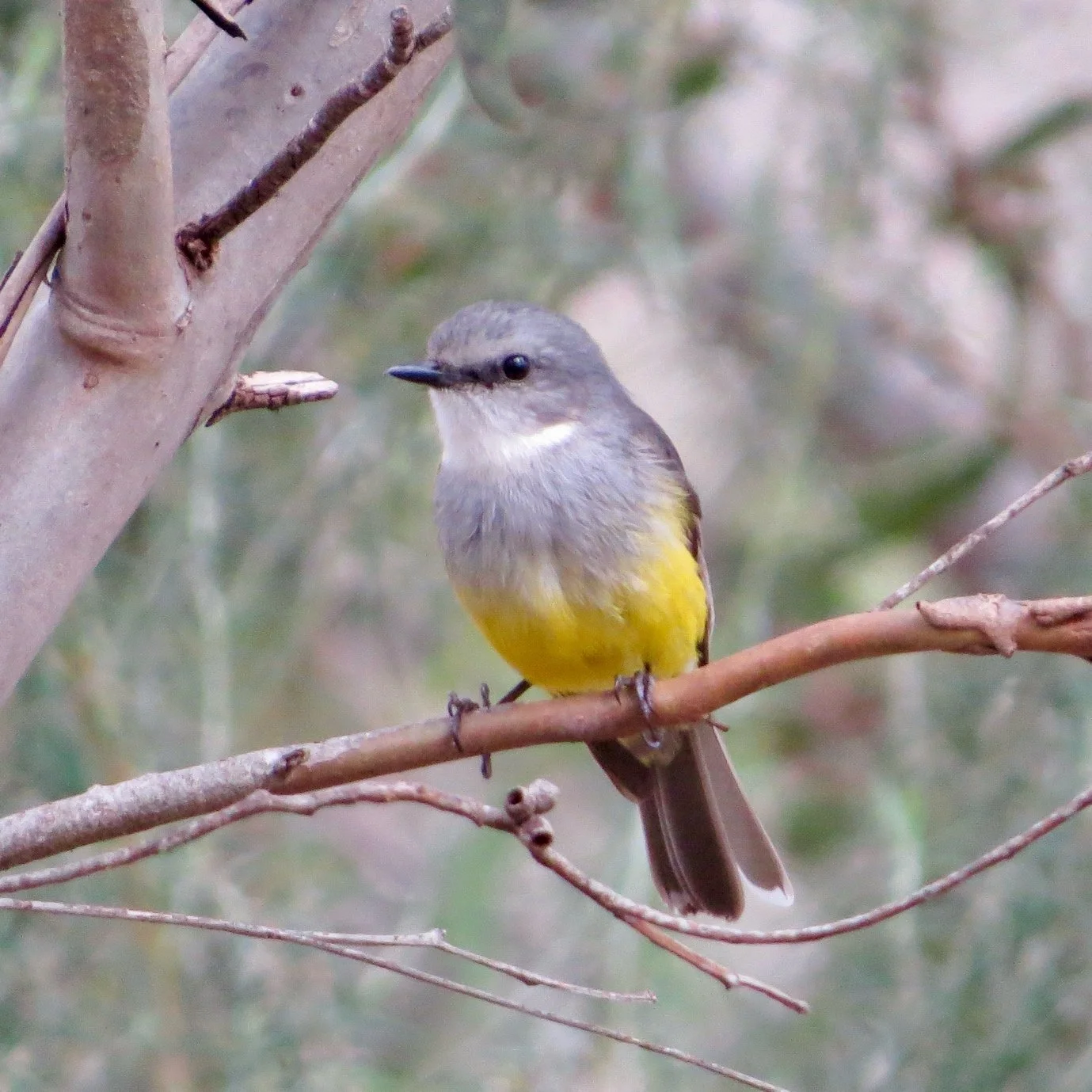
Western yellow robin
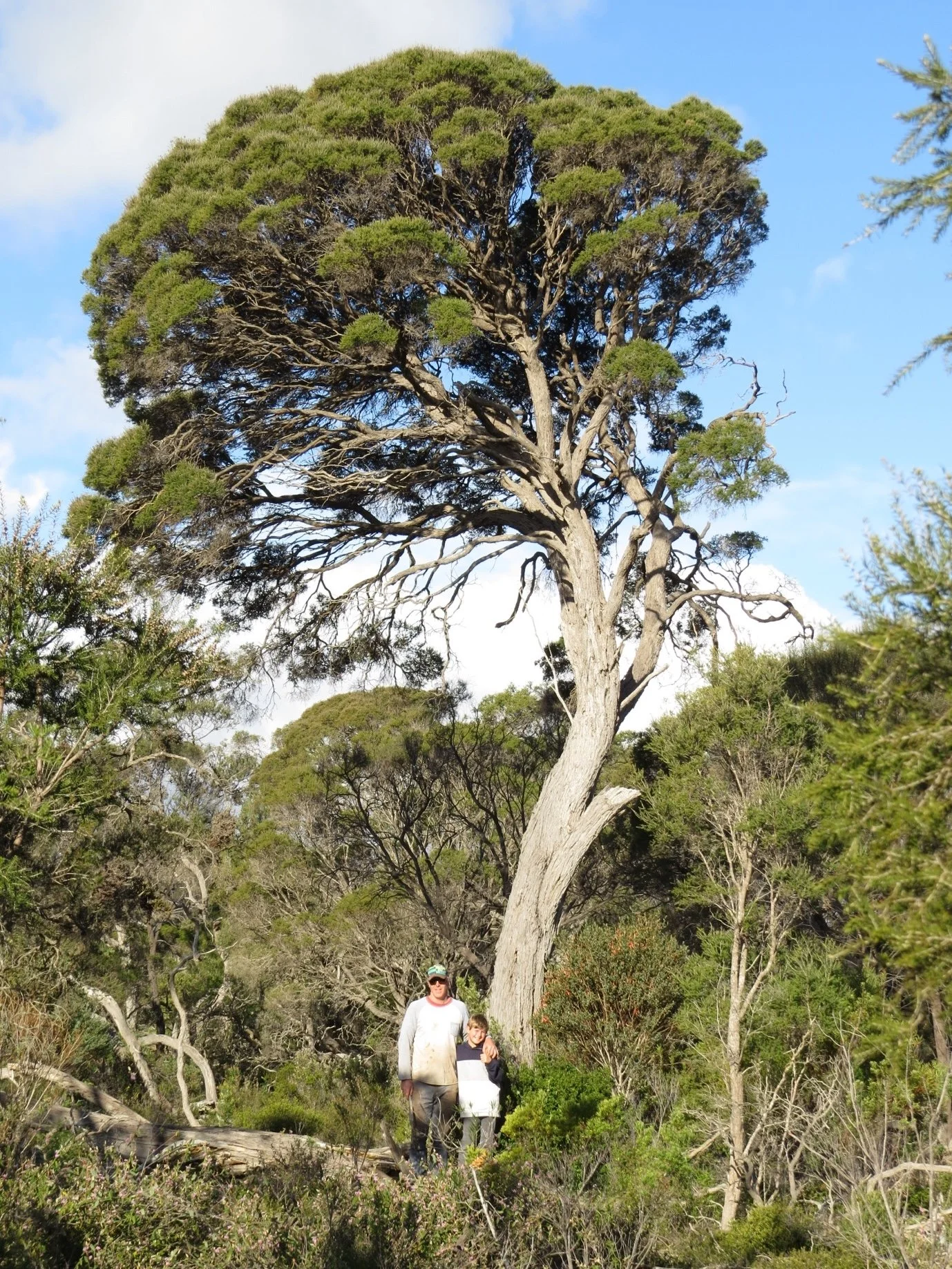
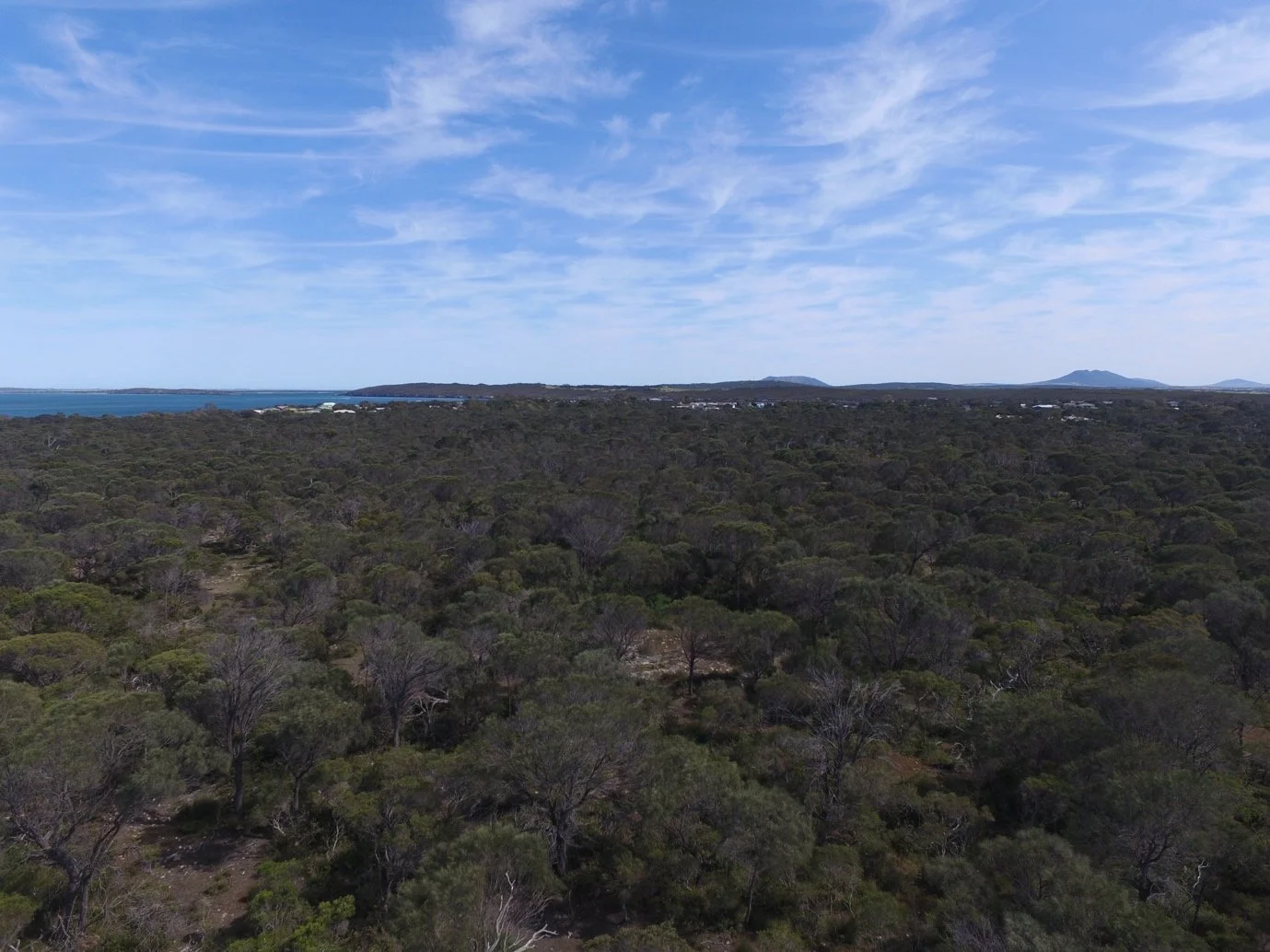
Grassy She-oak Woodland
Grassy She-oak Woodland
More information about this project
The Drooping Sheoak (Allocasuarina verticillata) Grassy Woodland on calcrete is a critically endangered ecological community in South Australia, primarily found east and south of Ceduna on the Eyre Peninsula where annual rainfall exceeds 350mm. Characterised by drooping she-oaks forming the overstorey, wattles and other shrubs in the midstory, and a diverse understorey of native grasses and small shrubs, this woodland once supported a rich and balanced ecosystem. Today, it is recognised as critically endangered under the Environment Protection and Biodiversity Conservation Act 1999 (EPBC Act).
This woodland provides vital ecosystem services. Healthy she-oaks improve soil fertility by fixing atmospheric nitrogen, accumulating phosphorus and stimulating microbial activity, which enhances soil structure and nutrient availability. In turn, this supports a thriving understorey of native grasses, sedges and groundcovers. Intact woodland vegetation also plays a crucial role in preventing erosion and protecting valuable topsoil across surrounding landscapes.
Since European settlement, extensive clearing for cropping, grazing by domestic stock and pressure from fluctuating kangaroo populations have significantly reduced this community. Invasive species such as rabbits, along with altered fire regimes and climate change, continue to threaten its survival. Today, only around 3% of its original distribution remains, and what is left is highly fragmented, with most patches under 10 hectares in size.
The loss and fragmentation of Drooping She-oak Grassy Woodlands, combined with predation from introduced foxes and feral cats, has contributed to the decline or local extinction of many native species on the Eyre Peninsula. These include the Greater Bilby, Brush-tailed Bettong, Tammar Wallaby and several woodland birds. Protecting and restoring this endangered community is critical not only for preserving biodiversity, but for maintaining the ecological health and resilience of the broader landscape.
What we’re trying to achieve
By securing Lot 602 at Coffin Bay, this project aims to permanently protect and restore a rare remaining patch of Drooping She-oak Woodland. Through conservation management, including pest control, habitat restoration and careful stewardship, the site will provide a safe haven for threatened species and support the regeneration of native vegetation. Protecting this land will help reconnect fragmented habitats across the Eyre Peninsula, strengthen biodiversity and ensure this critically endangered ecological community is preserved for future generations.