Rewilding the Grassland Project
Action:Purchase and install predator proof fencing for protection of endangered fauna and flora species
Fundraising Target:$89,000
Per square metre cost: $8.80
Location: Lot 603, Coffin Bay
Area: 2.5 acres or 10,117 sqm
Threatened Species:Diamond Firetail Finch, Western Yellow Robin, Painted Button Quail, Fantailed Cuckoo, Western Pygmy Possum, Owlet Nightjar, Tawny Frogmouth, Southern Scrub Robin, Rosenberg Goanna, Scarlet Robin, Southern Emu Wren, Western Whipbird, Blue Breasted Fairy Wren
Habitat: Drooping She-oak Woodland on Calcrete of the Eyre Yorke Bioregion classified as Critically Endangered
Project Snapshot
Yarnbala’s Significant Environmental Benefit (SEB) area spans 2.5 acres (10,117 square metres) and has been protected from heavy grazing by Western Grey Kangaroos for more than 30 years. This long-term exclusion has allowed native grasses and groundcover to regenerate, restoring valuable habitat for ground-dwelling bird species. However, feral predators such as cats and foxes can still access the site, placing ongoing pressure on the wildlife that depends on this recovering ecosystem.
Establishing a predator-proof fence will transform this area into a true sanctuary — safeguarding vulnerable native birds and small fauna while strengthening the long-term resilience of this critically endangered grassy she-oak woodland.
With your support, we can complete this next vital step in protecting and restoring this landscape for generations to come.
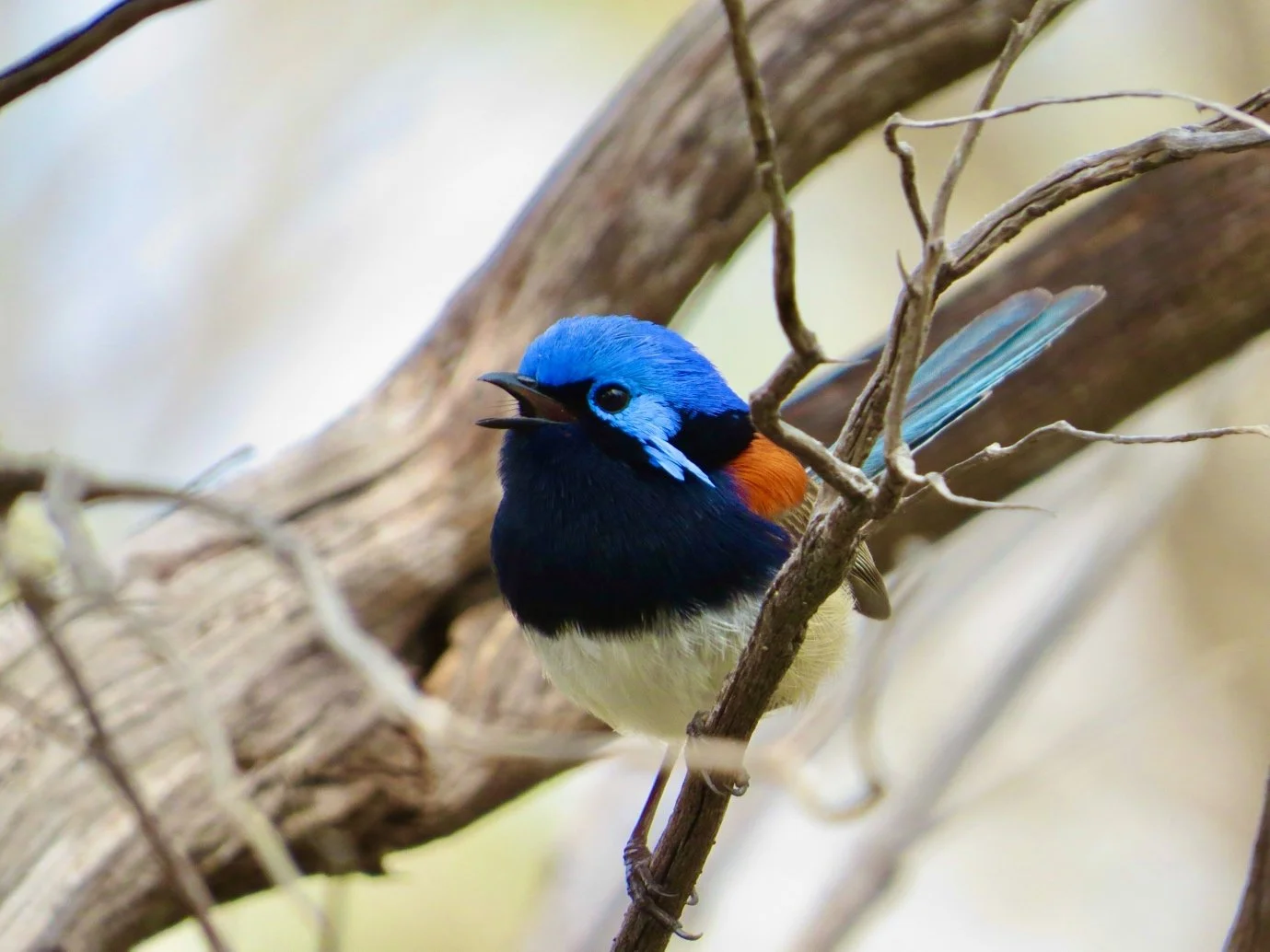
Blue Breasted Fairy Wren
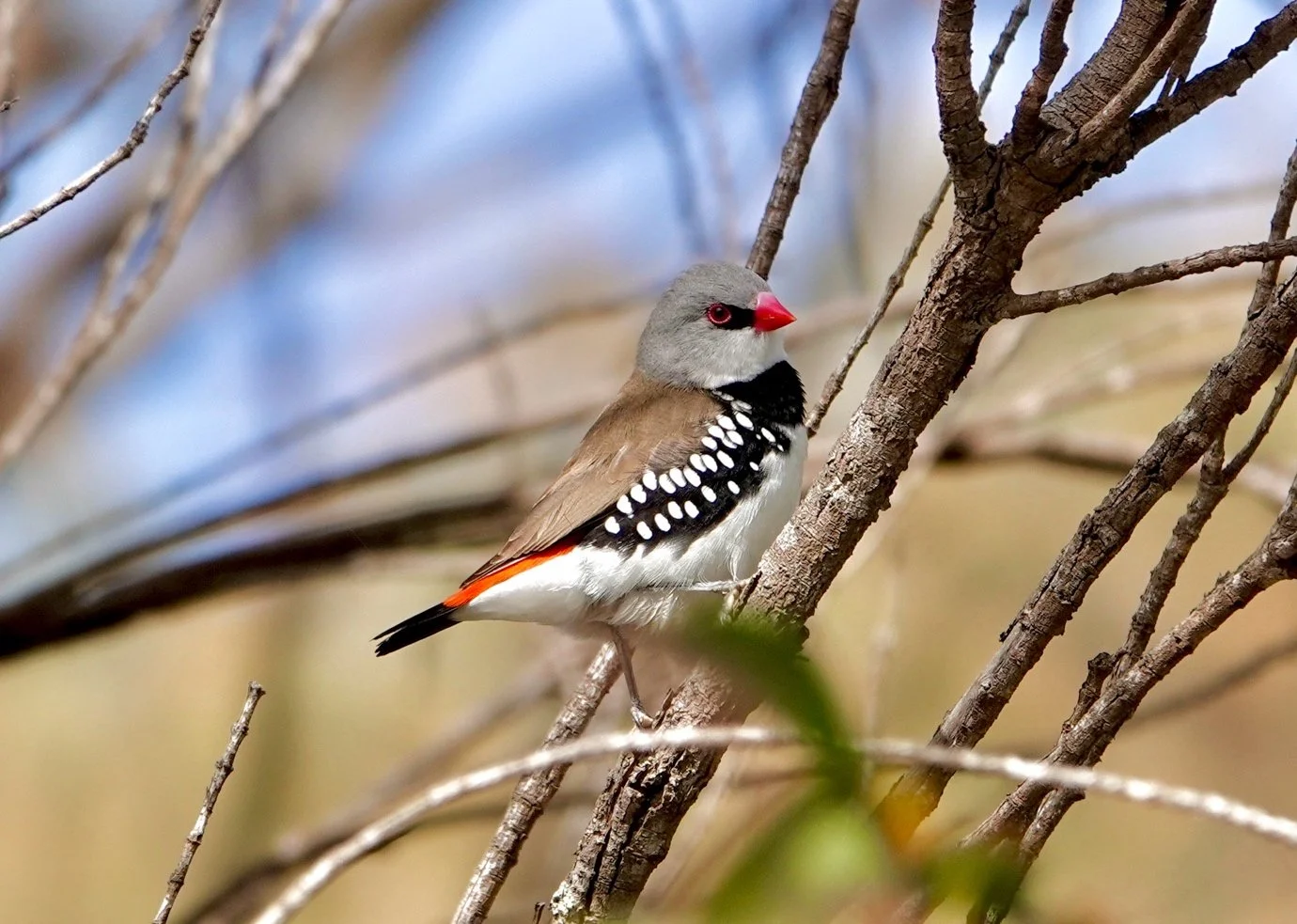
Diamond Firetail Finch
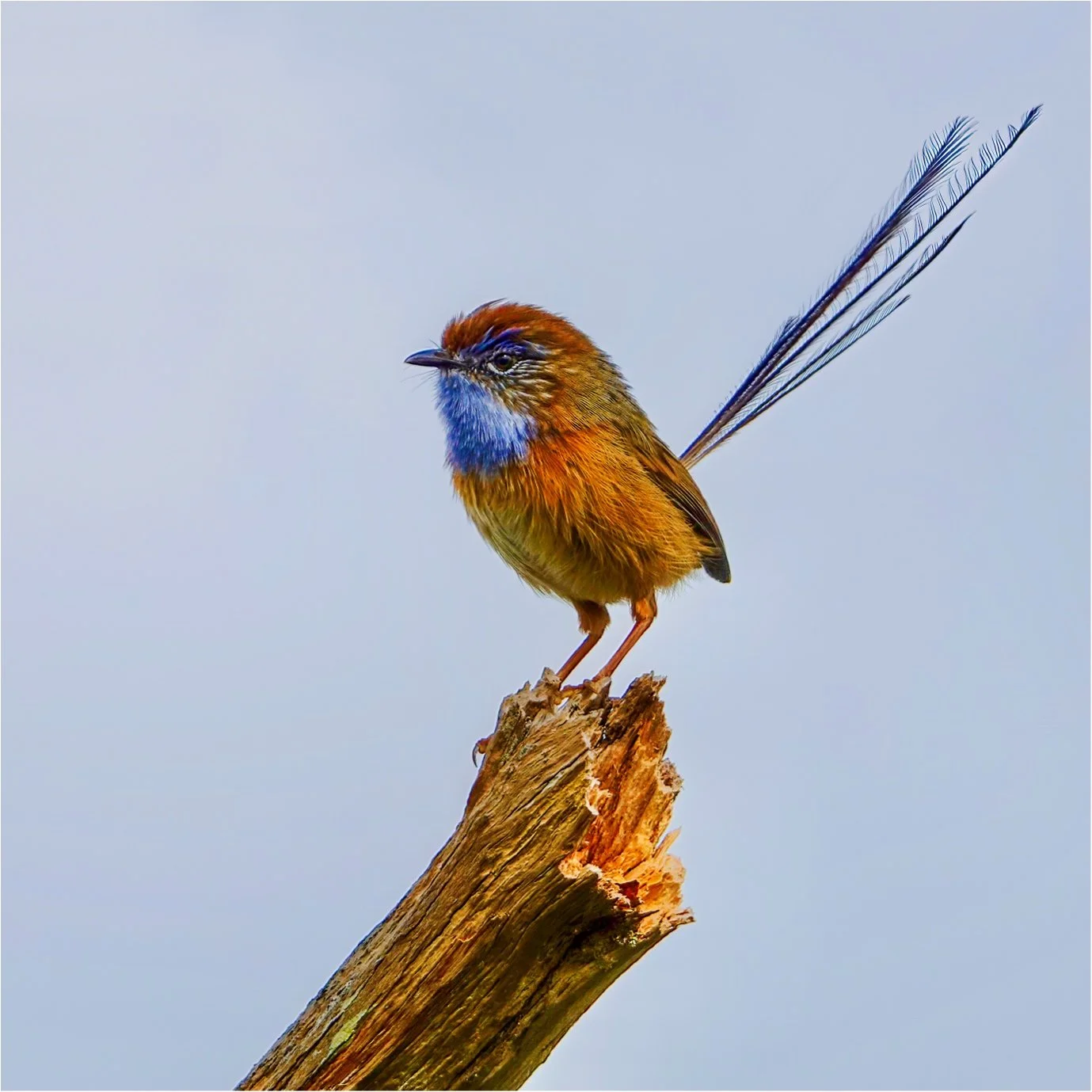
Emu Wren
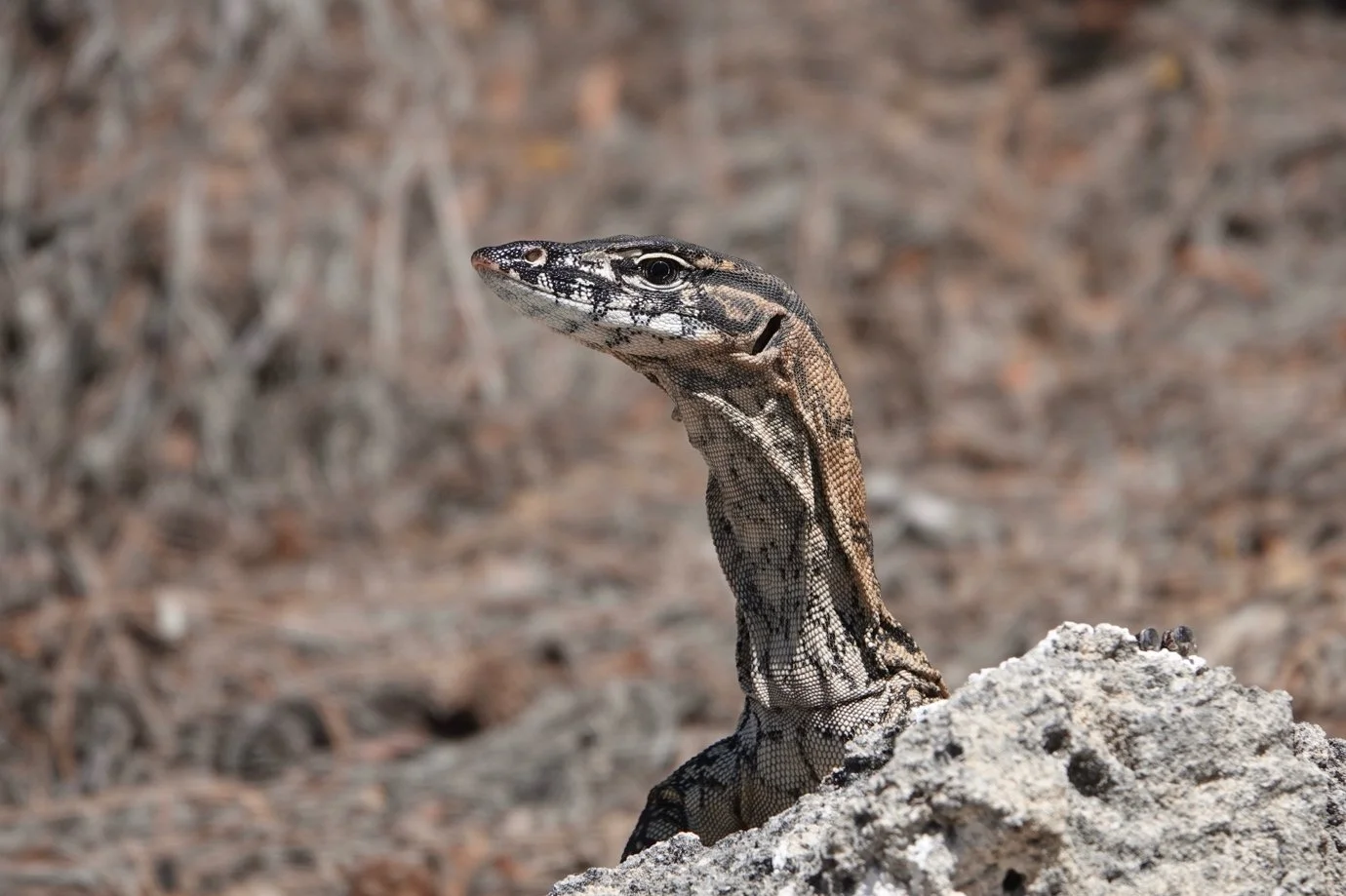
Rosenberg Goanna
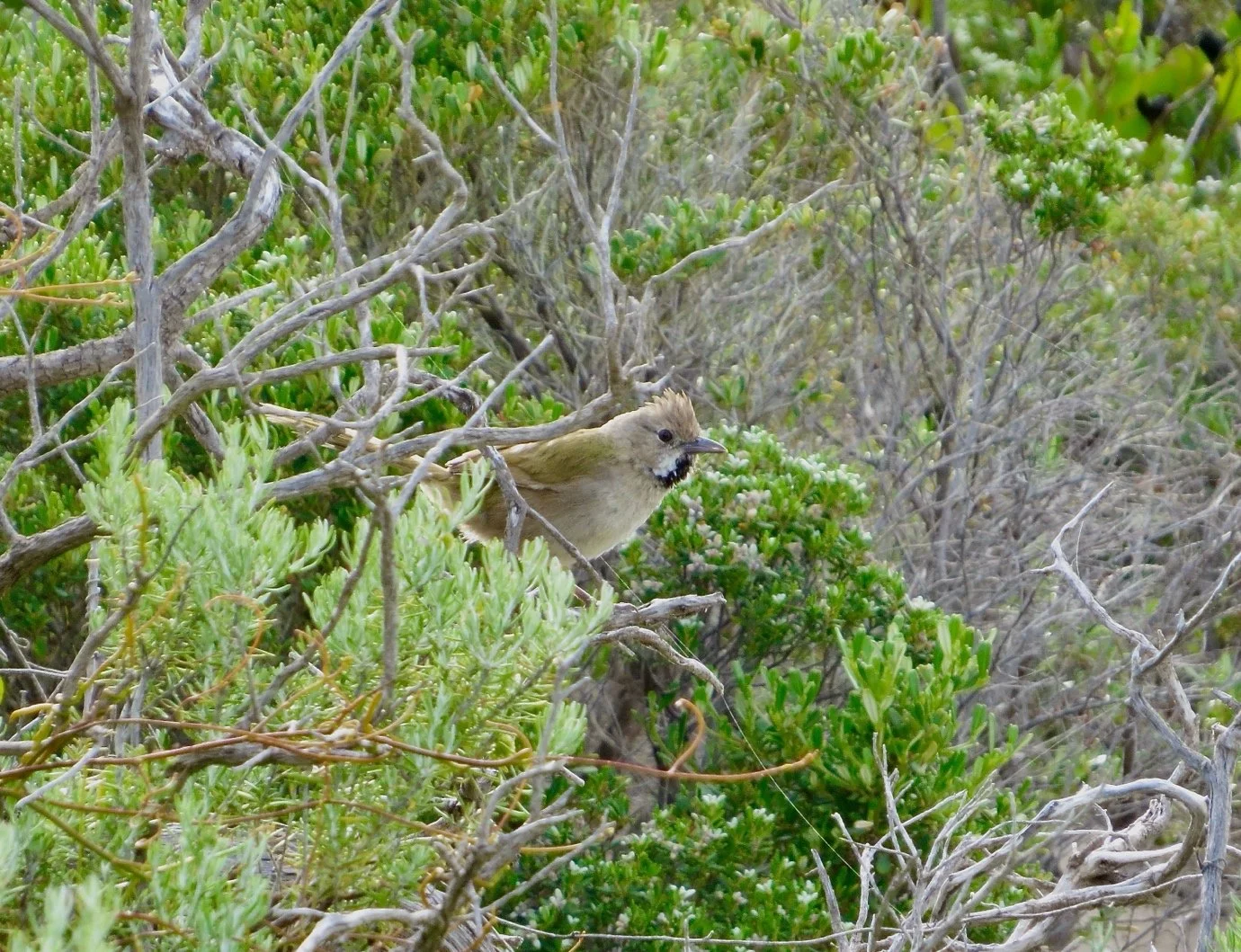
Western Whipbird
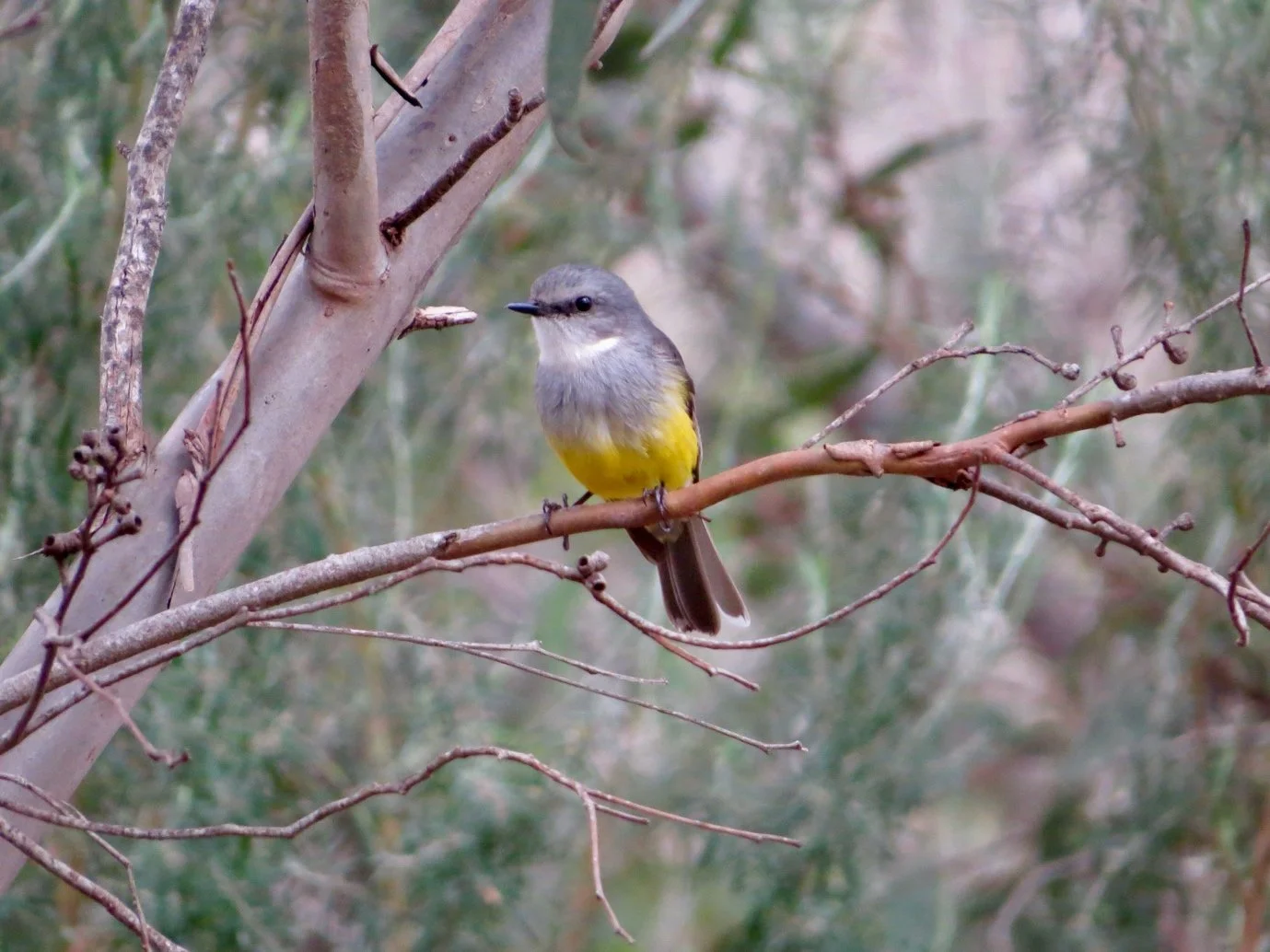
Western Yellow Robin
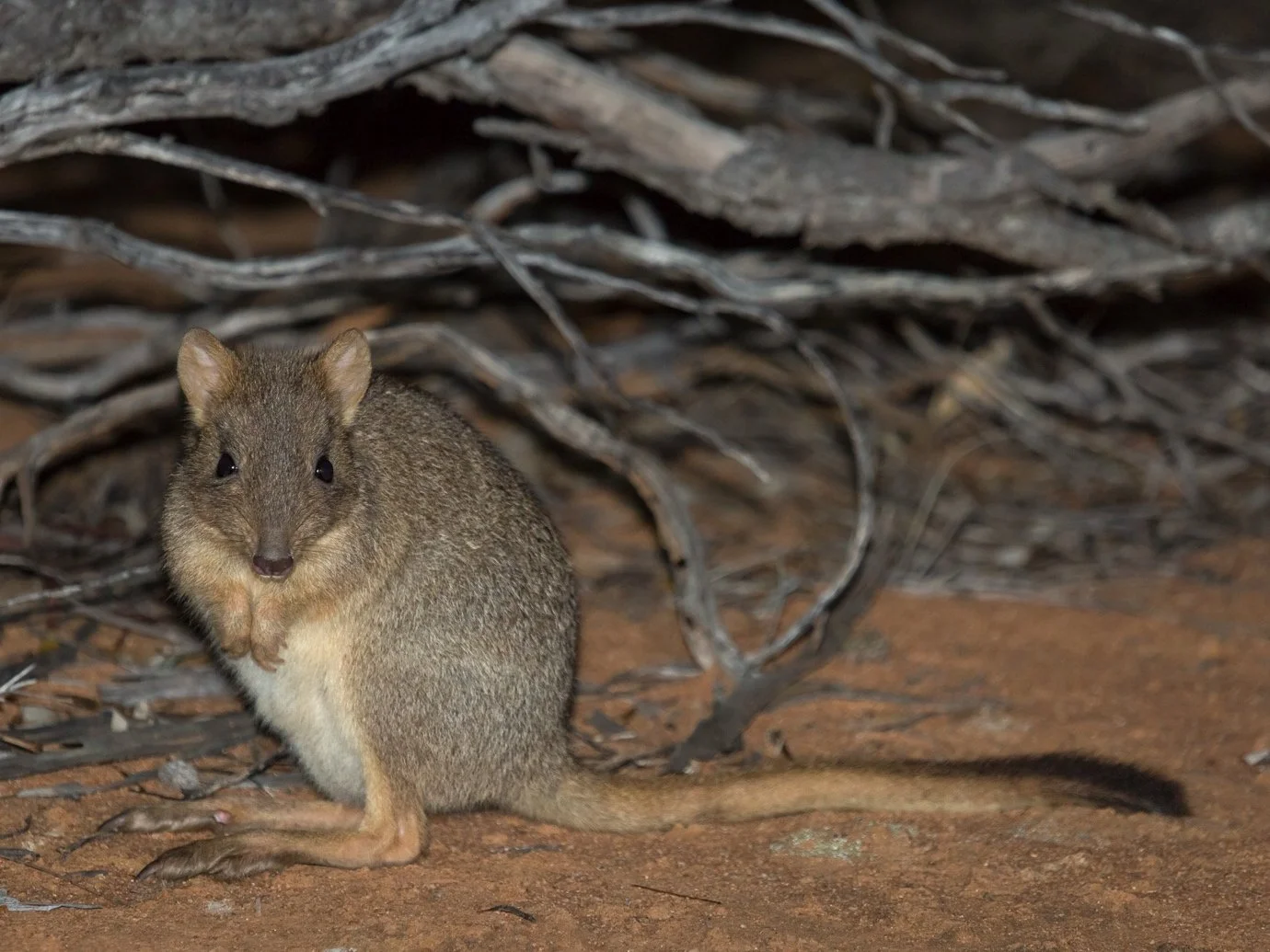
Brush-tailed Bettong
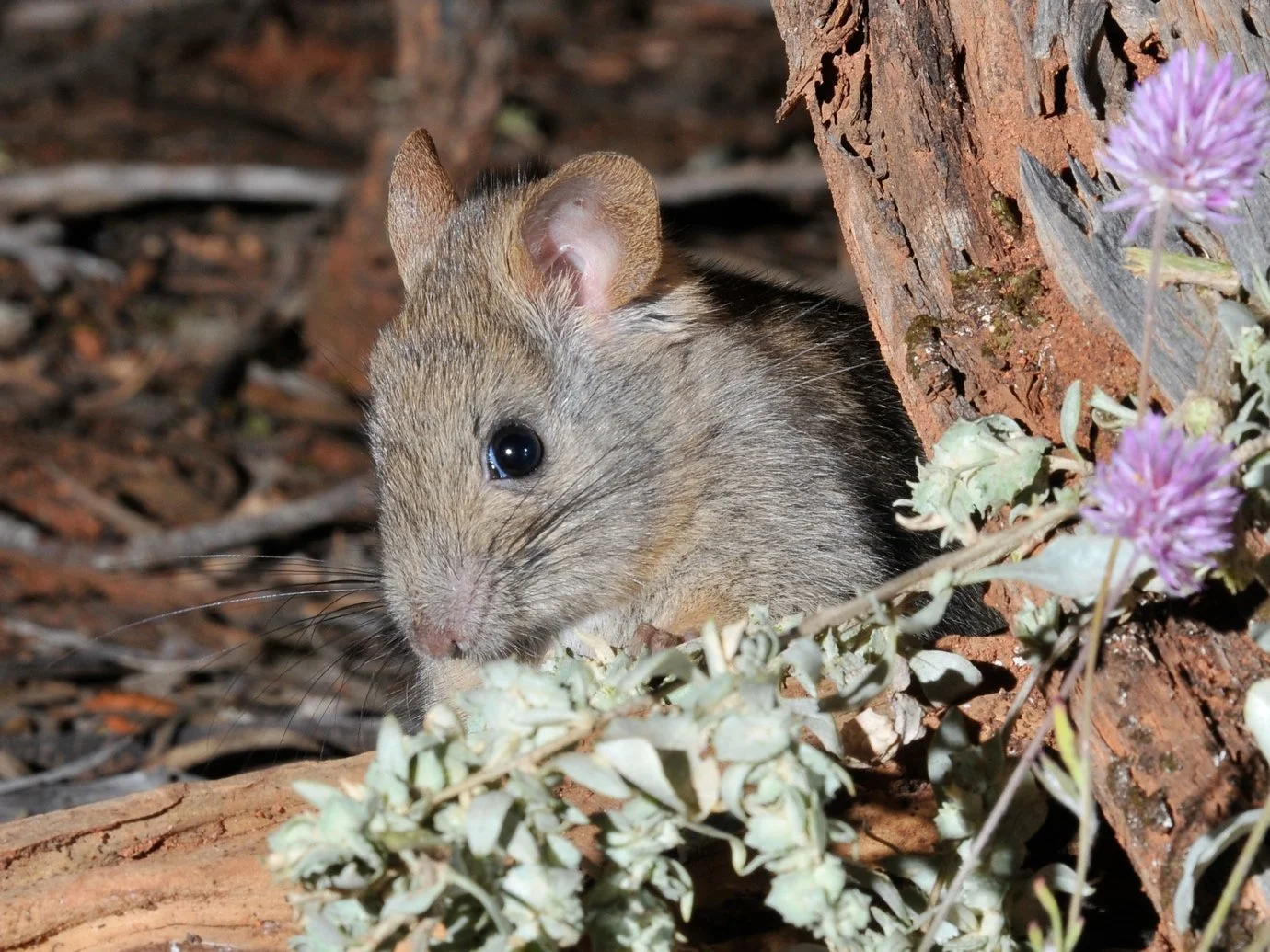
Greater Stick-nest Rat
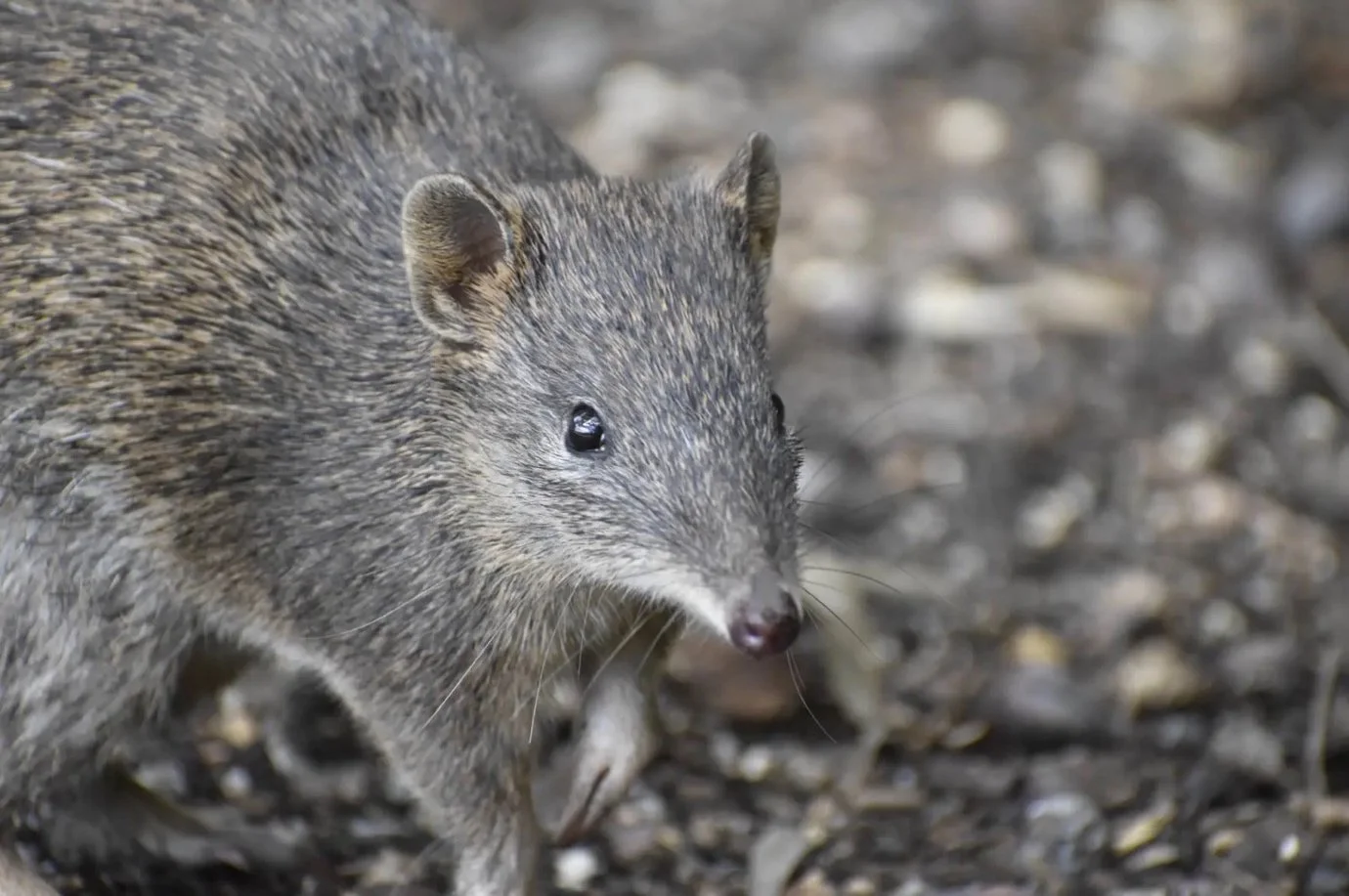
Southern Brown Bandicoot
More information about this project
For more than 30 years, Yarnbala’s Significant Environmental Benefit (SEB) area at Coffin Bay has been protected from grazing pressure by western grey kangaroos and emus — allowing native grasses to regenerate and restoring a rare pocket of Drooping She-oak Grassy Woodland on Calcrete. Now, the next critical step is to construct predator-proof fencing to permanently safeguard 10,117 square metres of this critically endangered ecosystem from feral cats and foxes, protecting the vulnerable ground-dwelling species that depend on it.
Imagine if everyone became part of the collective effort to secure this rare ecosystem for the future. Every square metre protected strengthens habitat and builds a safer future for native flora and fauna.
How many square metres can you pledge to help protect?
Although modest in size, this area provides critically important refuge for ground-dependent birdlife and plays a vital role in the recovery of native habitat. The vulnerable Diamond Firetail is regularly observed using the site, while the Southern Emu-wren relies on the dense, low vegetation for shelter and breeding. The endangered and highly elusive Western Whipbird has also been known to occur in the area — further highlighting the significance of protecting and strengthening small but intact pockets of habitat like this.
While these outcomes demonstrate the value of the site, they also highlight the need to expand and strengthen this protected area. Increasing the size and connectivity of this habitat would greatly improve long-term security for these species, allowing populations to grow and ensuring these fragile ecosystems continue to support the wildlife that depends on them.
While the vegetation has flourished, feral cats and foxes continue to threaten birds and small mammals that live and feed in the low substrate. Establishing a predator-proof fence around the SEB site will create a safe sanctuary where native species can forage, nest and move without constant predation pressure. It will also function as a refuge during times of drought or heightened predator activity, strengthening the resilience of wildlife across the broader landscape.
What we’re trying to achieve
Looking ahead, this protected area offers a rare opportunity to become a soft-release site for locally extinct marsupials such as the Brush-tailed Bettong, Greater Stick-nest Rat and the Southern Brown Bandicoot. These “ecosystem engineers” play a vital role in soil turnover, seed dispersal and native plant regeneration. By restoring them, we begin rebuilding ecological processes that have been absent for generations—creating not just protection, but true rewilding.