Restoring a Rare Grassland Refuge
A Landscape Given Time to Heal
For more than 30 years, Yarnbala’s 2.5-acre Significant Environmental Benefit (SEB) site has been protected from grazing by western grey kangaroos and emus. This long period of rest has allowed native grasses—wallaby grass, spear grass, and kangaroo grass—to return, gradually rebuilding an understorey that resembles the original pre-clearing landscape of the lower Eyre Peninsula.
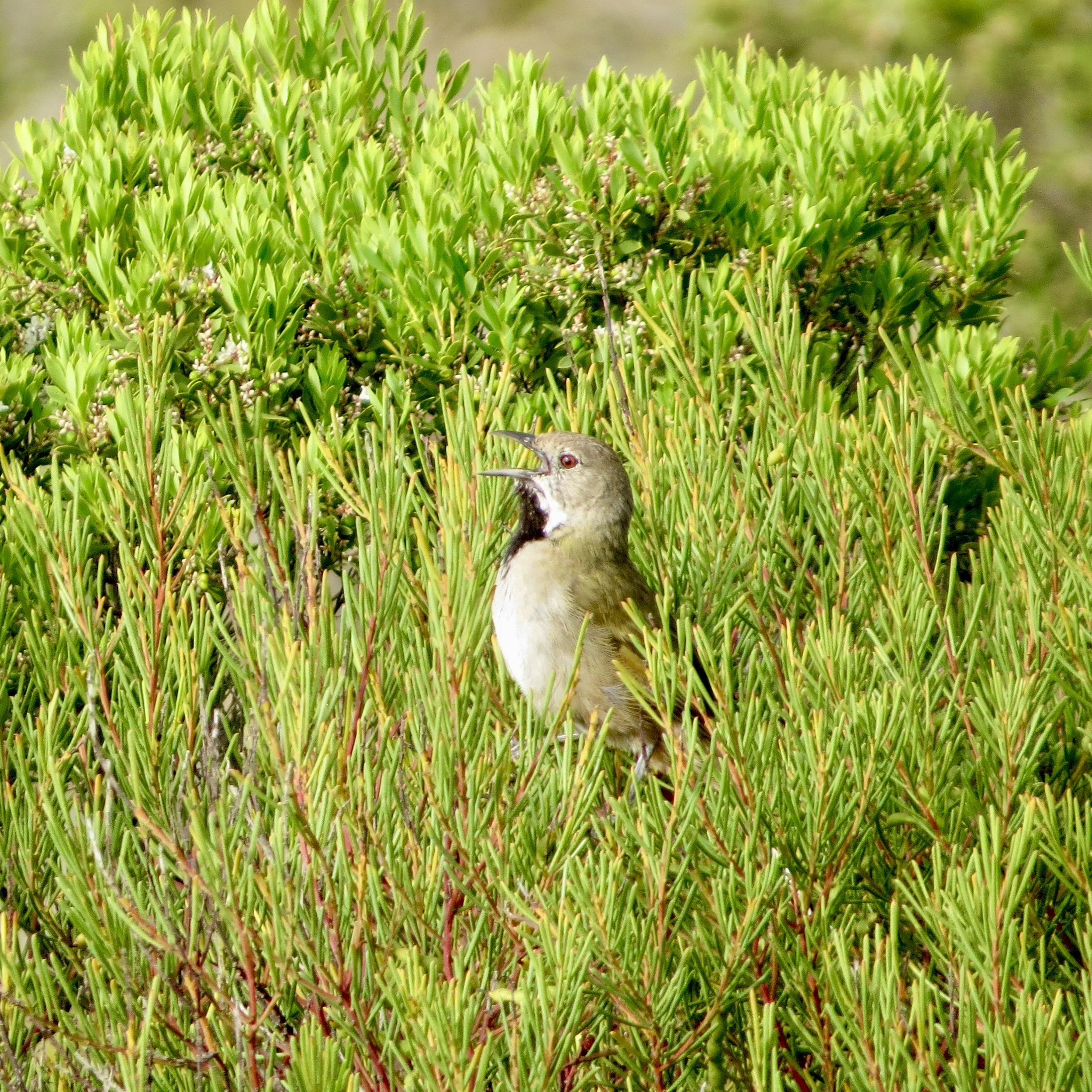
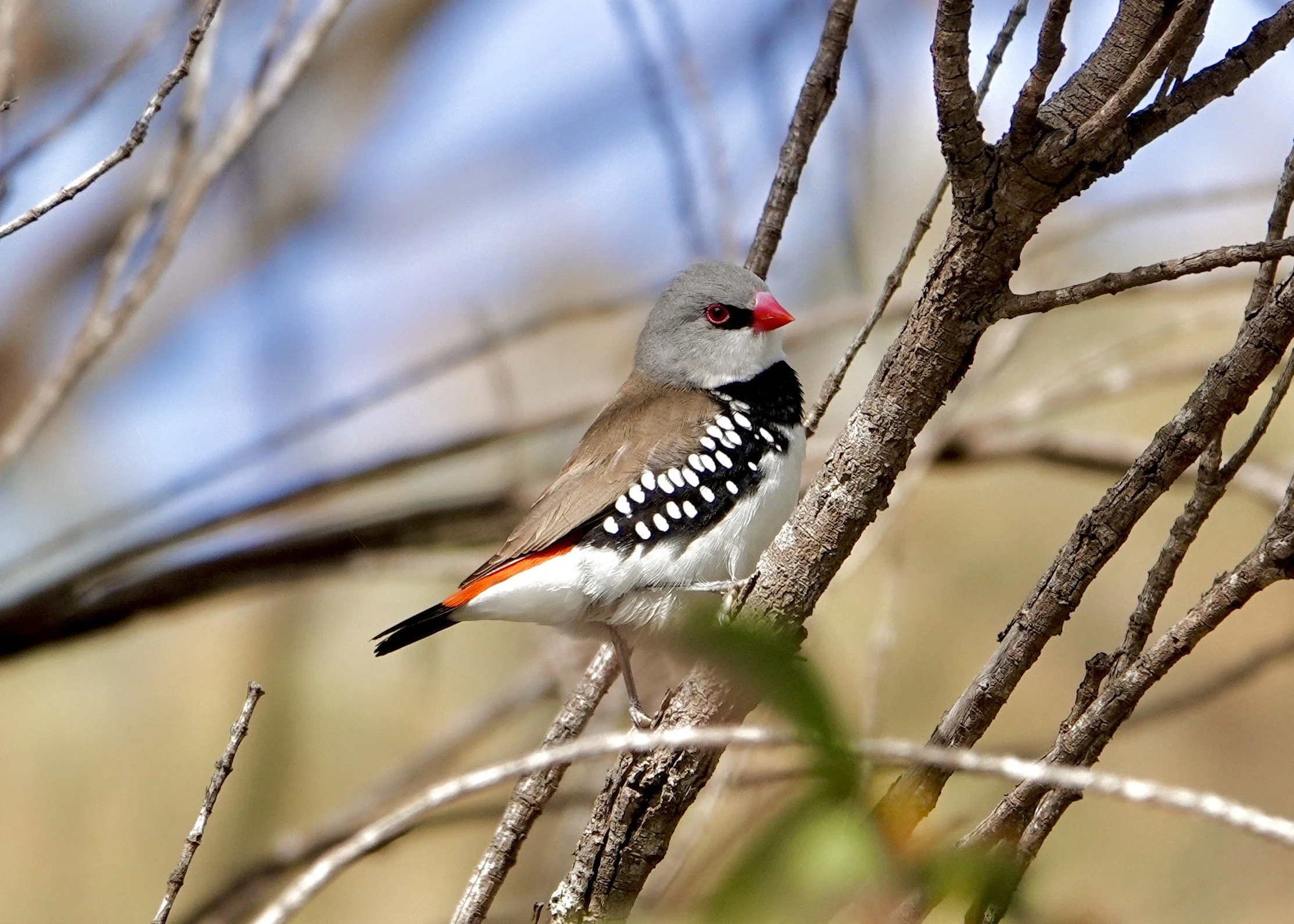
This recovery has created vital habitat for species that depend on dense, intact ground cover. Some of these species being the vulnerable Diamond Fire-tail Finch is regularly seen using this area, while the Southern Emu-wren—which relies on thick, low vegetation for shelter—also finds refuge here. The endangered and highly elusive Western Whip-bird has been known to occur in this area, highlighting the importance of maintaining secure pockets of habitat such as this.
Protecting Ground-Dwelling Wildlife
Although the vegetation has recovered, feral cats and foxes continue to threaten the birds and small animals that live and feed in the low substrate. Establishing a predator-proof fence around the SEB site will create a safe sanctuary where these species can forage, nest, and move without constant pressure from introduced predators. The enclosure will also act as a refuge that birds from surrounding country can retreat to during times of stress such as drought or high predator activity.
A Stepping Stone for Rewilding
Beyond protecting existing birdlife, the site offers a rare opportunity to become a soft-release location for locally extinct marsupials. Our long-term vision is to reintroduce species that once shaped this landscape and then support their gradual return into adjacent parts of Yarnbala and the surrounding National Park. Potential candidate species include:
Brush-tailed Bettong – Endangered
Greater Stick-nest Rat – Vulnerable
Southern Brown Bandicoot – Endangered
Greater Bilby – Vulnerable
These animals are “ecosystem engineers.” Through digging, foraging, and seed dispersal they improve soil health, stimulate native plant regeneration, and rebuild ecological processes that have been missing for generations.
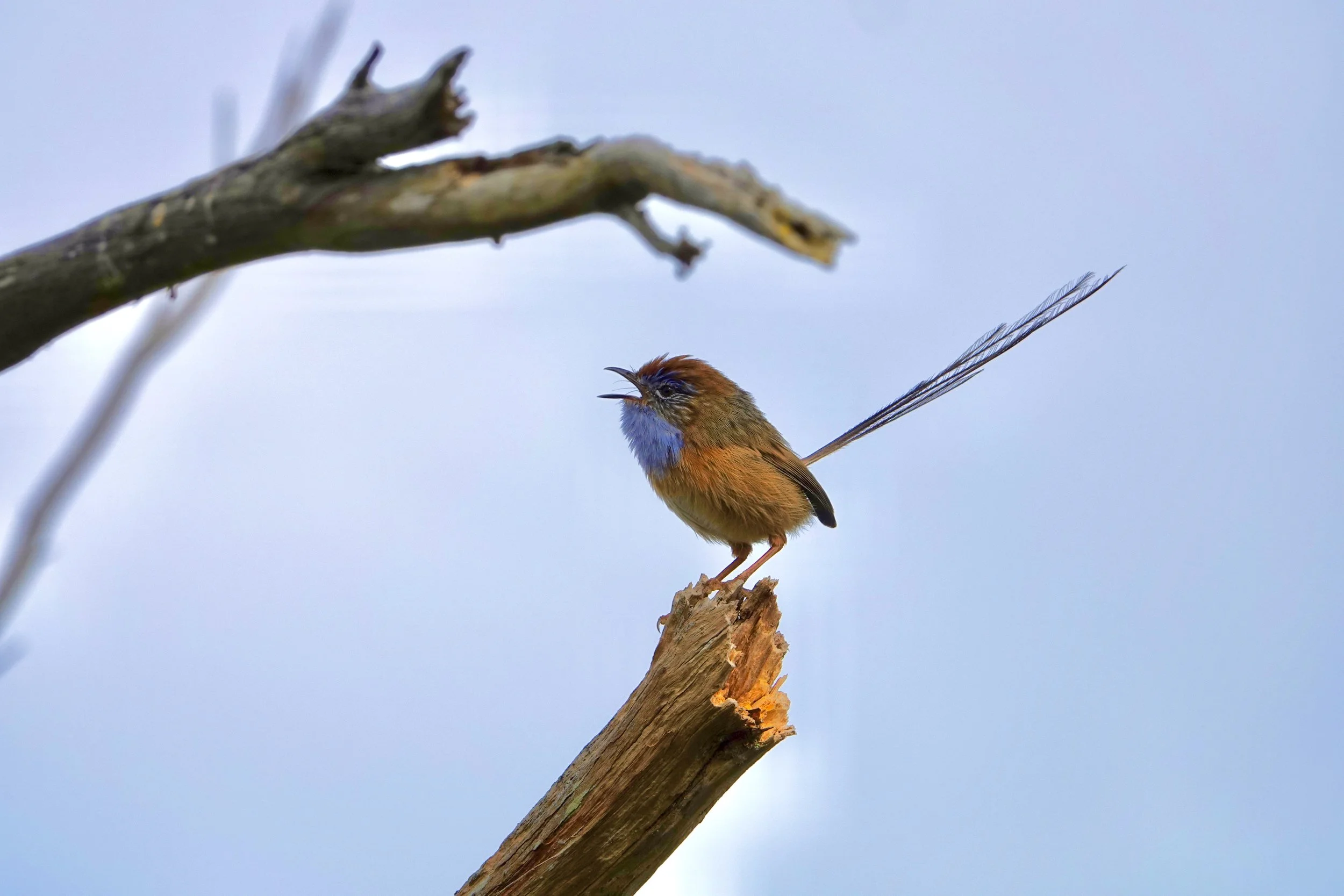
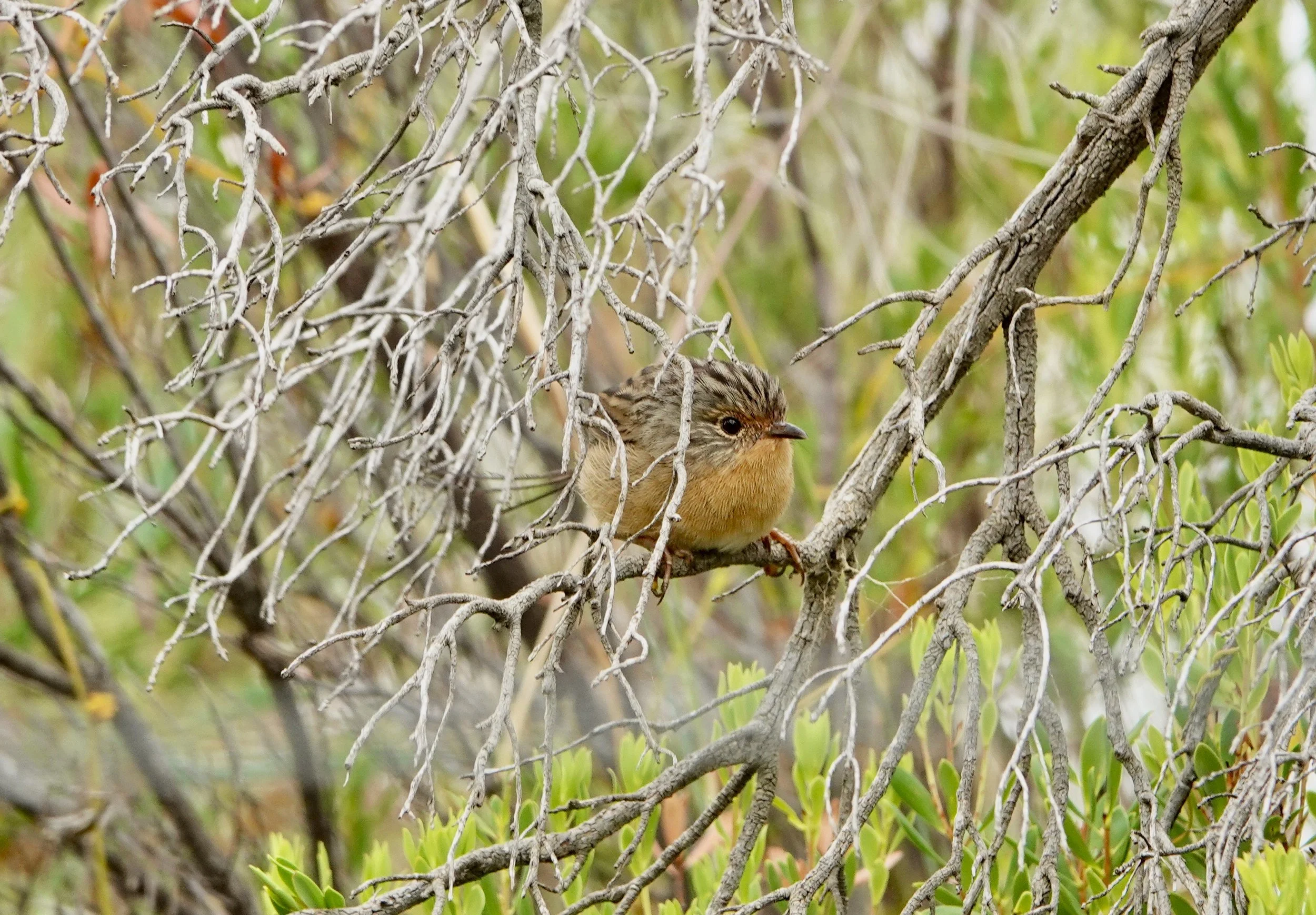
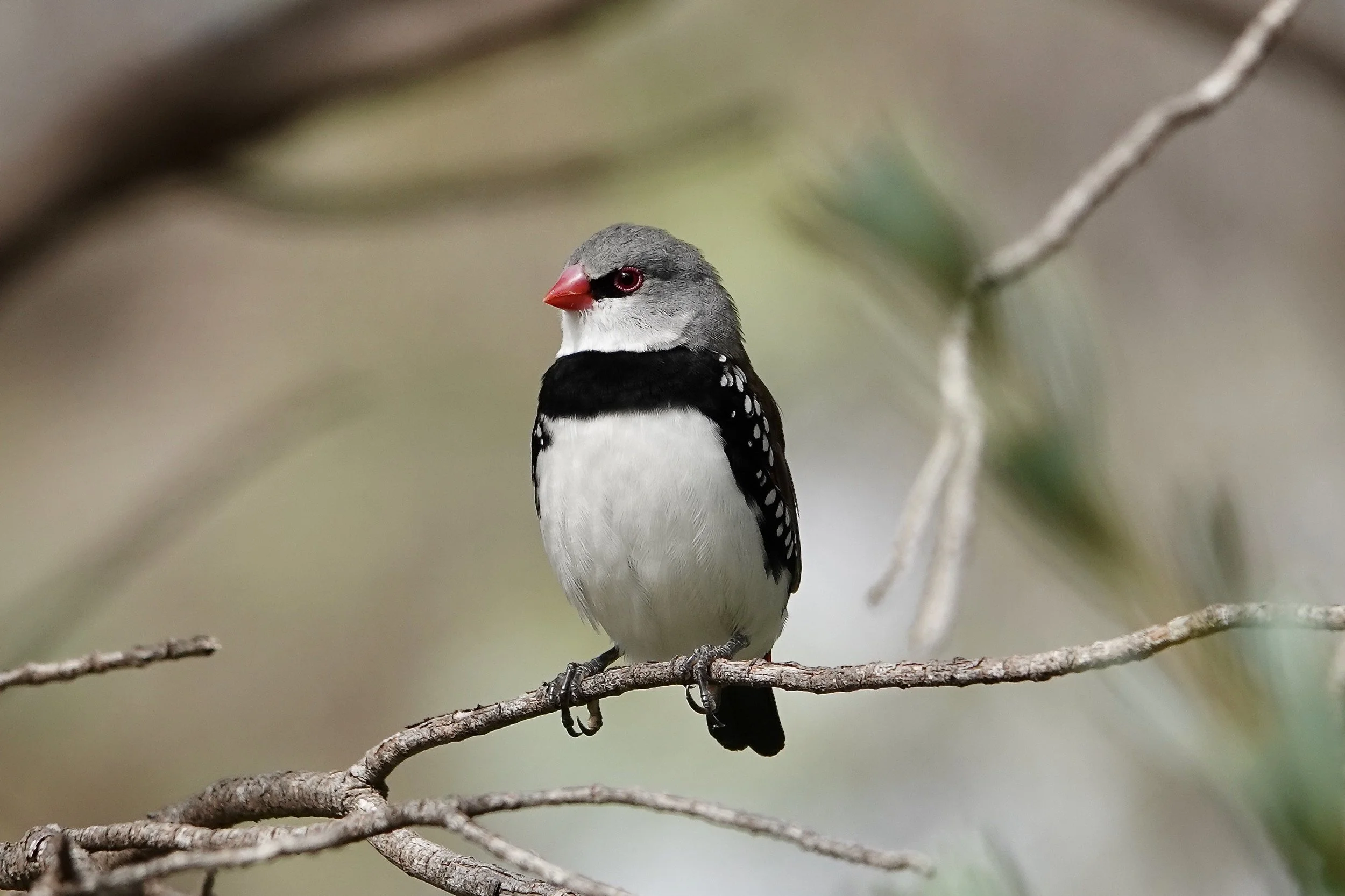
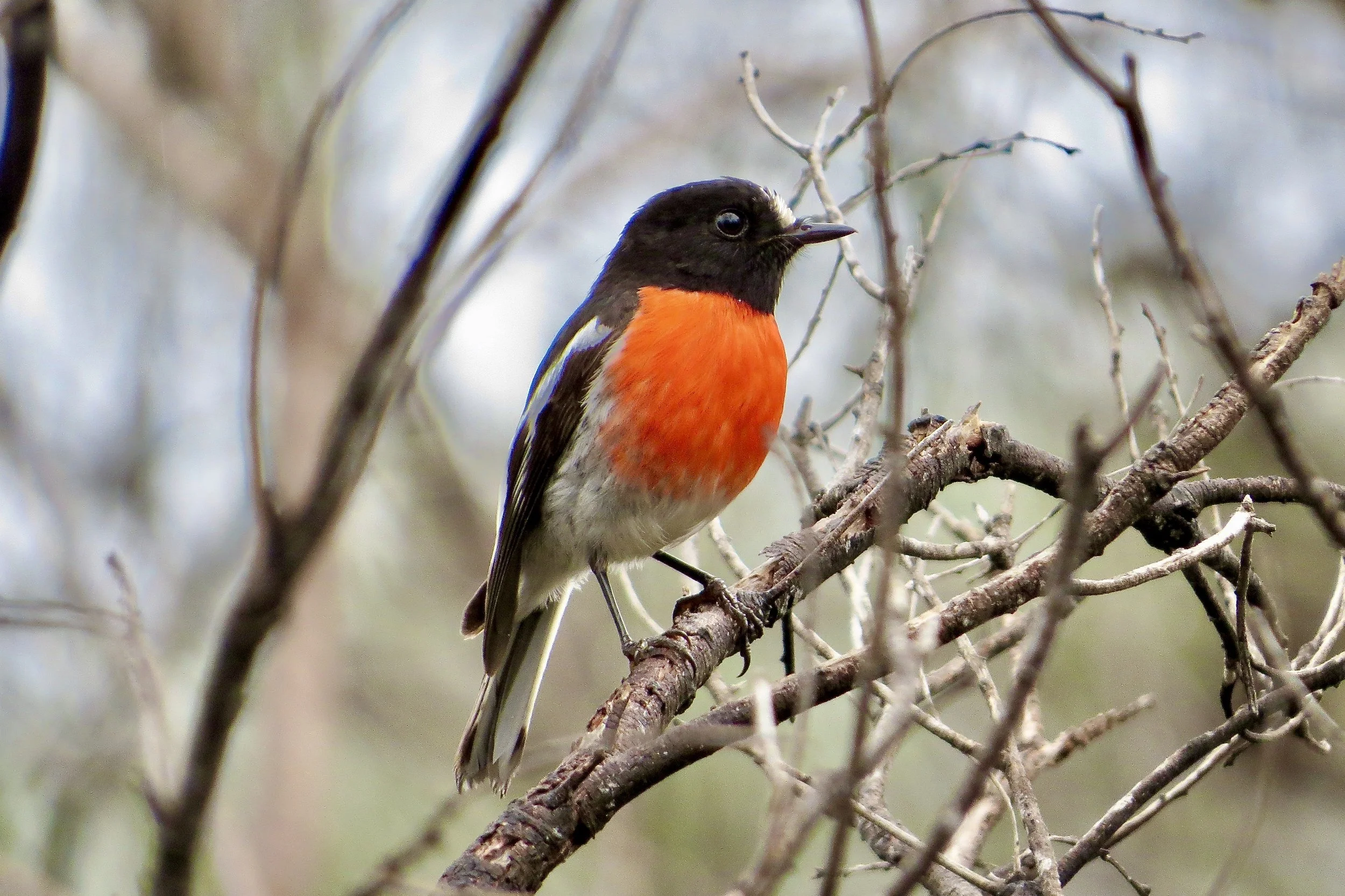
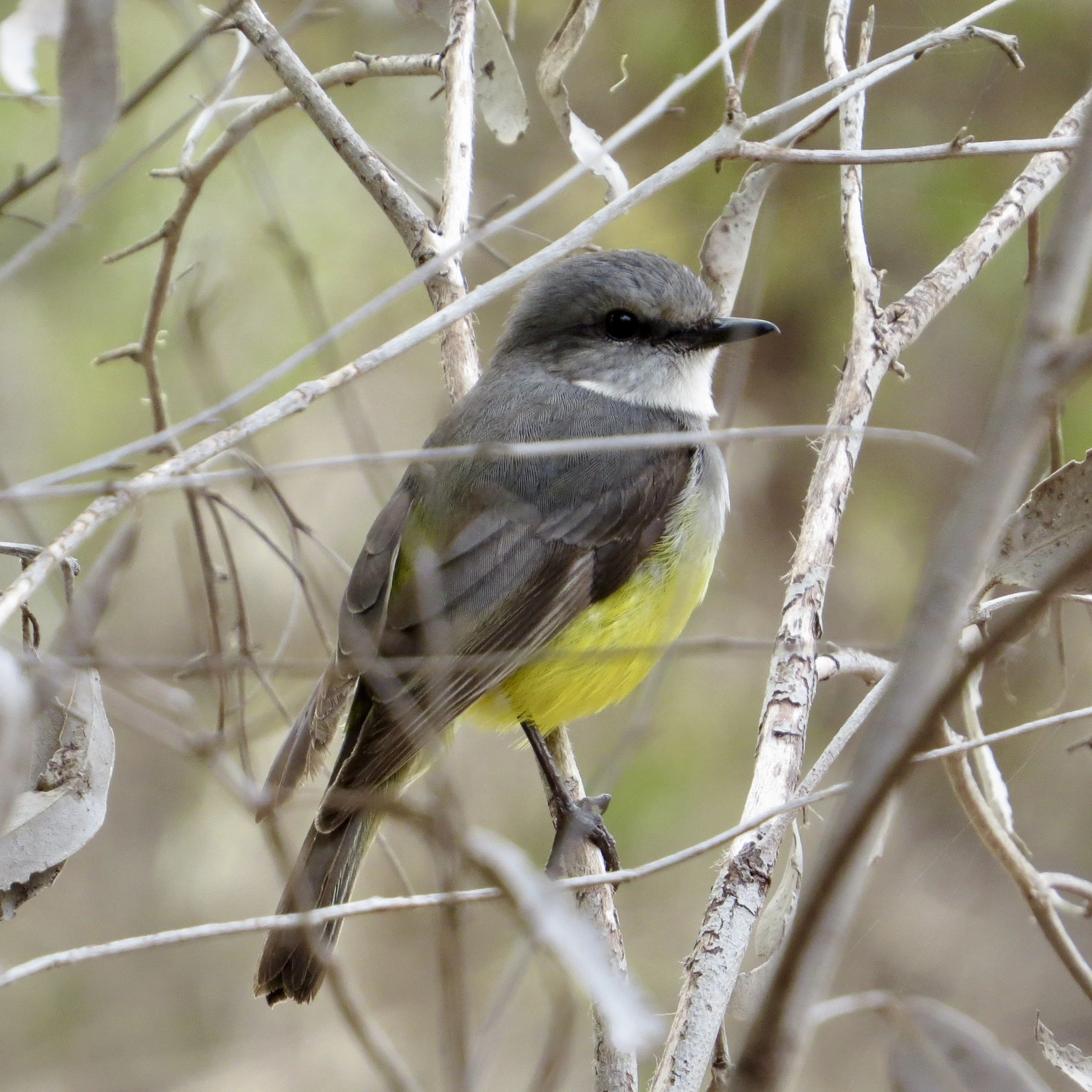
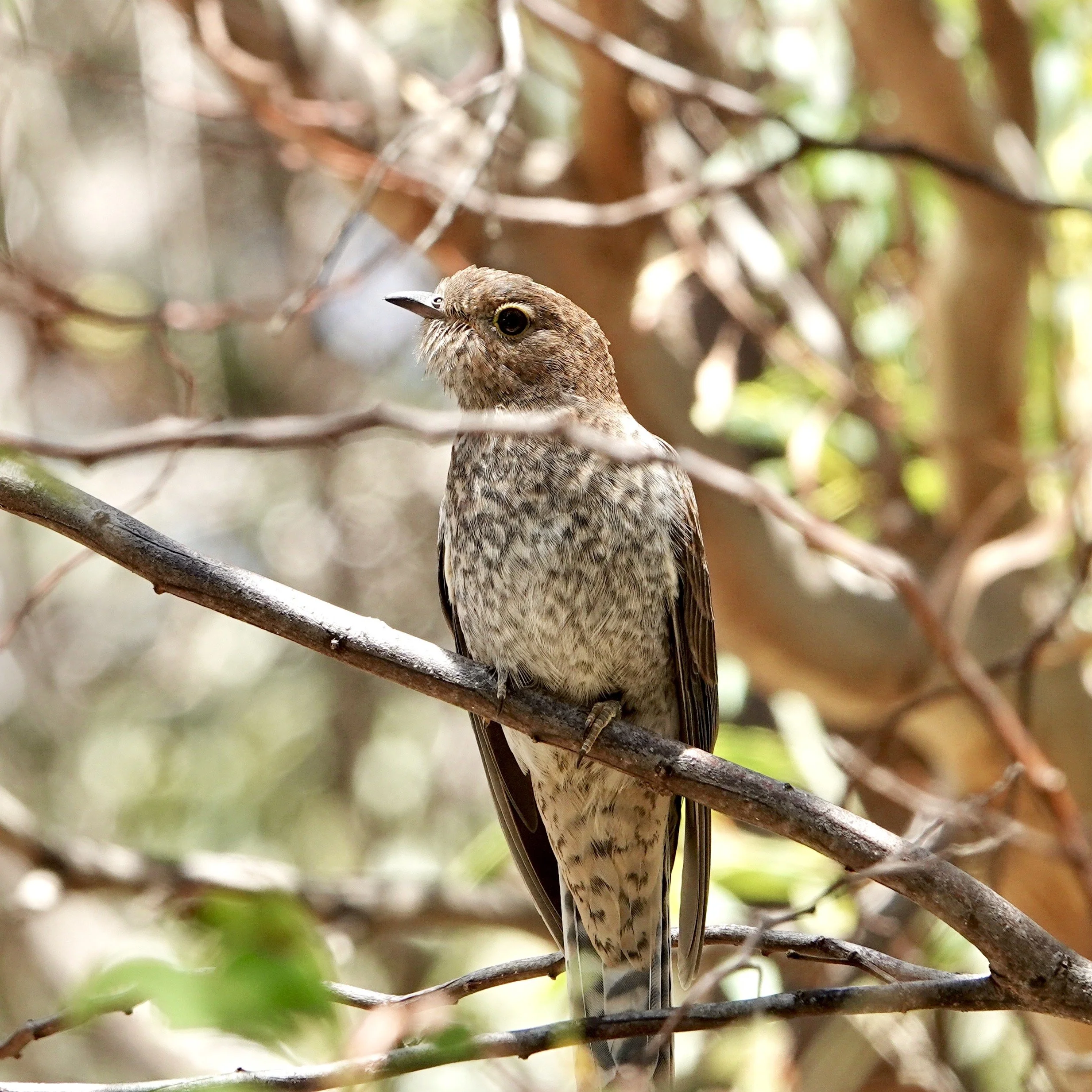
Images - Arj Slater
What We Aim To Achieve
Through the Yarnbala Foundation we are working to:
Install a predator-proof fence to secure the SEB grassland as a permanent wildlife refuge
Protect vulnerable ground-dwelling birds and rebuild understorey biodiversity
Establish a carefully managed soft-release program for native marsupials
Partner with conservation scientists to monitor ecological recovery
Engage community and visitors in the story of landscape renewal at Coffin Bay
This project is about more than a fence—it is about giving a fragment of country the chance to function as it once did, and allowing rare species to return home.
How You Can Help
Your investment in this initiative will directly contribute to a scalable, science-backed conservation program that combines land stewardship, ecological research, and species recovery. With your support, we can protect and re-establish these critical species—and lead a nationally significant rewilding effort on the Eyre Peninsula.
Together, we can be part of bringing back forgotten fauna, ensuring the survival of these remarkable marsupials and the ecosystems they help sustain.